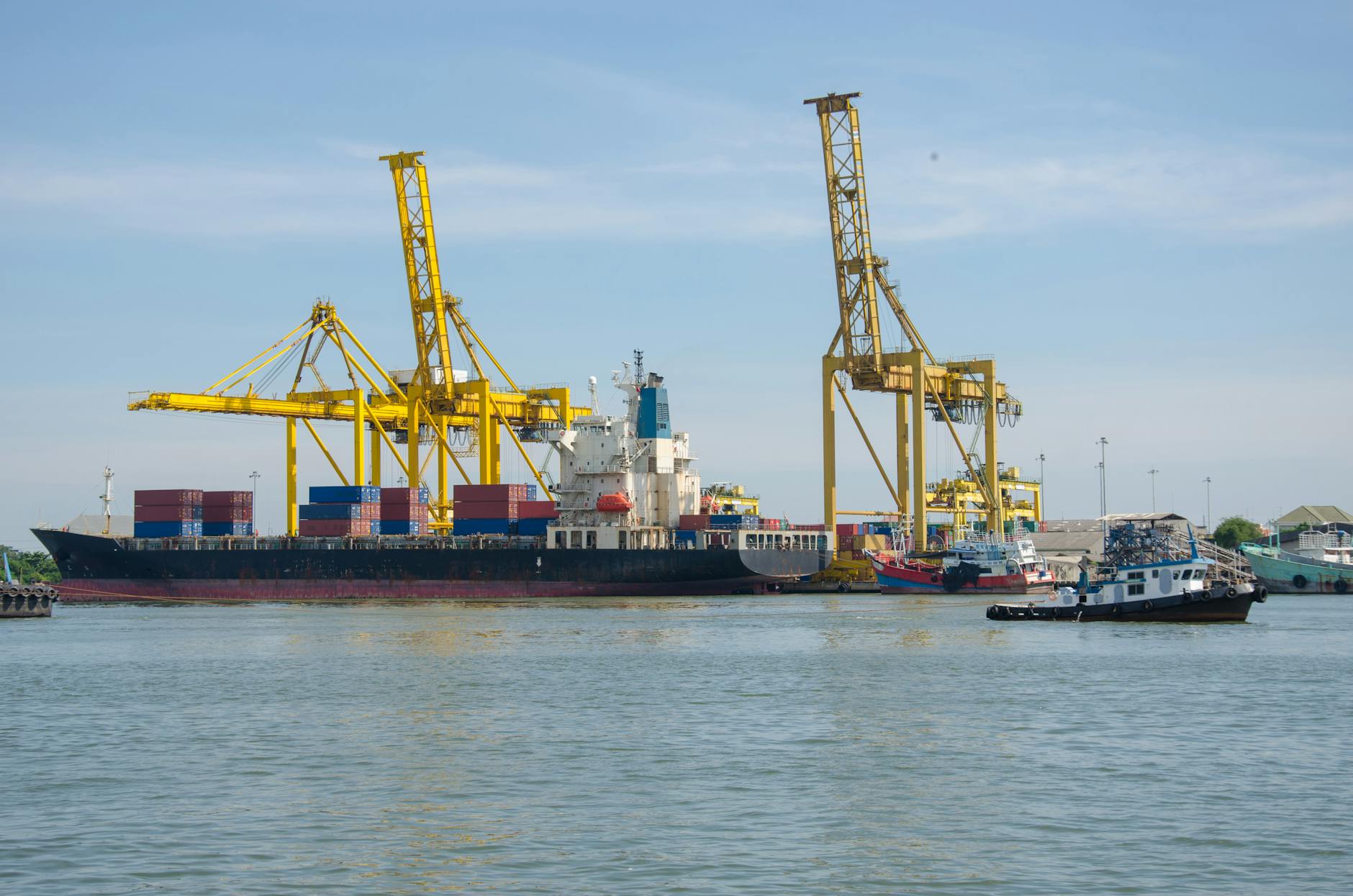
Merchant ship attack in Red Sea increases global trade instability
The reported deaths of several seafarers following a strike off the coast of Yemen have heightened fears over the security of international maritime supply chains.

A strike on a merchant vessel off the southern coast of Yemen on Tuesday resulted in the reported deaths of several crew members, according to UN News Economy. The incident occurs against a backdrop of intensified regional instability that has already severely impacted global commerce and shipping routes in the Middle East. This latest development threatens to further complicate the movement of goods through the Red Sea, a critical artery for international trade.
The attack follows a period of heightened tension characterized by the ongoing conflict between Iran and the United States. This broader war has already significantly restricted maritime traffic through the Strait of Hormuz, one of the world's most vital energy transit points. The expansion of risk into the waters off Yemen suggests a widening of the maritime security crisis, forcing shipping companies to reconsider the safety of traditional routes connecting Europe, Africa, and Asia.
According to UN News Economy, the fatalities among the seafarers have reignited deep concerns within the global logistics sector. Prior to this event, the choke point at the Strait of Hormuz had already become a primary focus for international security analysts due to its closure or obstruction during the Iran-US hostilities. The shift in focus toward the southern Yemeni coastline indicates that merchant vessels face a growing geography of threat.
This latest development threatens to further complicate the movement of goods through the Red Sea, a critical artery for international trade.
The economic implications of such attacks are significant for global supply chains already under pressure. Increased insurance premiums and the potential for long-distance rerouting around the Cape of Good Hope could drive up costs for consumers and businesses alike. As shipping firms assess the risks of transiting the Red Sea, the reliability of global delivery schedules remains uncertain. This incident serves as a reminder of the vulnerability of merchant shipping to regional geopolitical conflicts.
Based on reporting by UN News Economy.
أسفرت ضربة استهدفت سفينة تجارية قبالة الساحل الجنوبي لليمن يوم الثلاثاء عن مقتل عدد من أفراد الطاقم، وفقاً لما أفادت به وكالة أنباء الأمم المتحدة للاقتصاد (UN News Economy). ويأتي هذا الحادث في سياق حالة من عدم الاستقرار الإقليمي المتزايد التي أثرت بالفعل بشكل كبير على التجارة العالمية وطرق الشحن في الشرق الأوسط. ويهدد هذا التطور الأخير بمزيد من التعقيد في حركة البضائع عبر البحر الأحمر، الذي يعد شرياناً حيوياً للتجارة الدولية.
ويعقب هذا الهجوم فترة من التوتر الشديد الذي اتسم بالصراع المستمر بين إيران والولايات المتحدة. وقد أدت هذه الحرب الأوسع بالفعل إلى تقييد حركة الملاحة البحرية بشكل كبير عبر مضيق هرمز، وهو أحد أهم نقاط عبور الطاقة في العالم. ويشير توسع المخاطر إلى المياه قبالة اليمن إلى اتساع نطاق أزمة الأمن البحري، مما يجبر شركات الشحن على إعادة النظر في سلامة الطرق التقليدية التي تربط أوروبا وأفريقيا وآسيا.
ووفقاً لوكالة أنباء الأمم المتحدة للاقتصاد، فإن الوفيات بين البحارة قد أججت مجدداً مخاوف عميقة داخل قطاع اللوجستيات العالمي. وقبل هذا الحدث، كانت نقطة الاختناق في مضيق هرمز قد أصبحت بالفعل بؤرة تركيز رئيسية لمحللي الأمن الدوليين بسبب إغلاقها أو عرقلتها خلال الأعمال العدائية بين إيران والولايات المتحدة. ويشير تحول التركيز نحو الساحل اليمني الجنوبي إلى أن السفن التجارية تواجه جغرافيا متزايدة من التهديدات.
وتعد التداعيات الاقتصادية لمثل هذه الهجمات كبيرة على سلاسل التوريد العالمية التي تتعرض بالفعل لضغوط. إن زيادة أقساط التأمين واحتمال تغيير المسارات لمسافات طويلة حول رأس الرجاء الصالح قد يؤدي إلى ارتفاع التكاليف على المستهلكين والشركات على حد سواء. ومع تقييم شركات الشحن لمخاطر العبور في البحر الأحمر، تظل موثوقية جداول التسليم العالمية غير مؤكدة. ويعد هذا الحادث بمثابة تذكير بضعف الشحن التجاري أمام الصراعات الجيوسياسية الإقليمية.