New Five Billion Dollar Initiative Targets Expansion of African Textile Manufacturing
A strategic investment plan aims to transform the continent's raw cotton production into a robust regional garment industry to retain economic value and employment opportunities locally.
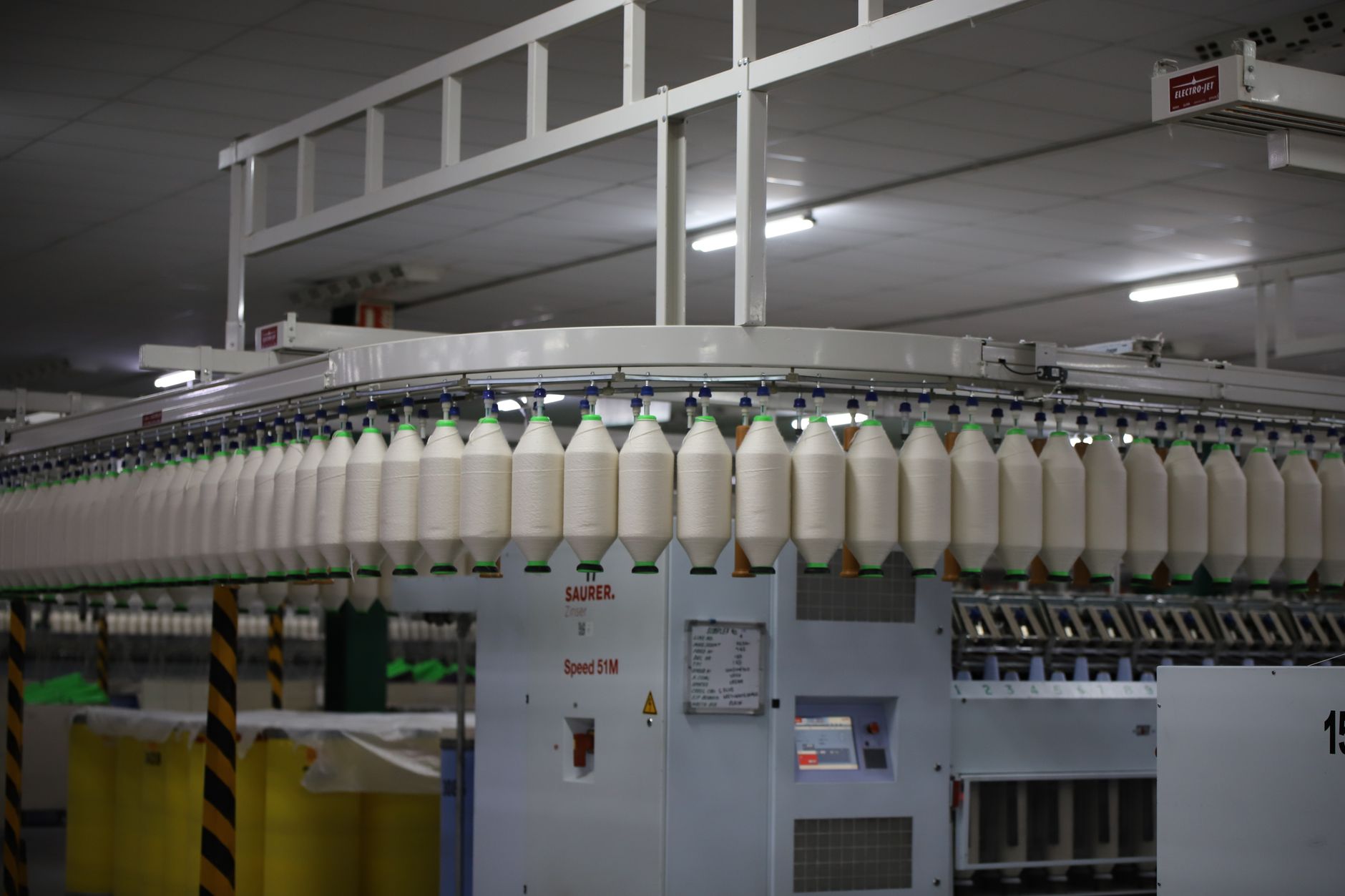
A new $5 billion development plan has been launched to overhaul the African cotton sector by shifting the focus from raw material exports to domestic textile manufacturing. The initiative seeks to consolidate the continent's fragmented cotton producers into a cohesive industrial network capable of producing finished clothing within Africa.
While Africa is a significant global producer of raw cotton, the majority of the crop is currently exported for processing elsewhere. This historical pattern has left the continent as a primary resource provider while missing out on the higher profit margins and employment gains associated with the manufacturing stages of the global apparel supply chain.
Industrial Integration
The multi-billion dollar investment is designed to address this structural imbalance by building the necessary infrastructure for a regional textile industry. According to the Bird Story Agency, the strategy focuses on ensuring that the economic benefits of cotton cultivation, particularly job creation, remain within African borders rather than being outsourced to international factories.
While Africa is a significant global producer of raw cotton, the majority of the crop is currently exported for processing elsewhere.
By creating a localized value chain, the plan aims to link various national producers who previously operated in isolation. This regional approach is intended to provide the scale required to compete in the global garment market, moving beyond the export of unprocessed lint to the production of high-value consumer goods.
Economic Retention
The transition toward industrialization is viewed as a critical step for economic stability in cotton-growing regions. Proponents of the plan argue that establishing a domestic manufacturing base will shield the continent from the price volatility of global raw commodity markets.
As the initiative rolls out, the focus will remain on developing the technical capacity and facilities needed to process raw fibers into fabric and garments. If successful, the $5 billion investment could redefine Africa's role in the global textile trade, turning a raw material powerhouse into a center for industrial manufacturing.
Based on reporting by AllAfrica.
تم إطلاق خطة تنموية جديدة بقيمة 5 مليارات دولار لإصلاح قطاع القطن في أفريقيا من خلال تحويل التركيز من صادرات المواد الخام إلى تصنيع المنسوجات محلياً. وتسعى المبادرة إلى دمج منتجي القطن المشتتين في القارة في شبكة صناعية متماسكة قادرة على إنتاج الملابس الجاهزة داخل أفريقيا.
بينما تعد أفريقيا منتجاً عالمياً رئيسياً للقطن الخام، يتم تصدير معظم المحصول حالياً للمعالجة في أماكن أخرى. وقد ترك هذا النمط التاريخي القارة كمزود رئيسي للموارد بينما تفتقر إلى هوامش الربح العالية ومكاسب التوظيف المرتبطة بمراحل التصنيع في سلسلة توريد الملابس العالمية.
التكامل الصناعي
تم تصميم الاستثمار بمليارات الدولارات لمعالجة هذا الخلل الهيكلي من خلال بناء البنية التحتية اللازمة لصناعة المنسوجات الإقليمية. ووفقاً لوكالة "بيرد ستوري آيجنسي"، تركز الاستراتيجية على ضمان بقاء الفوائد الاقتصادية لزراعة القطن، وخاصة خلق فرص العمل، داخل الحدود الأفريقية بدلاً من الاستعانة بمصادر خارجية في المصانع الدولية.
ومن خلال إنشاء سلسلة قيمة محلية، تهدف الخطة إلى ربط مختلف المنتجين الوطنيين الذين كانوا يعملون في السابق بشكل منعزل. ويهدف هذا النهج الإقليمي إلى توفير النطاق المطلوب للمنافسة في سوق الملابس العالمي، والانتقال من تصدير الألياف غير المصنعة إلى إنتاج السلع الاستهلاكية ذات القيمة العالية.
الاستبقاء الاقتصادي
يُنظر إلى التحول نحو التصنيع كخطوة حاسمة للاستقرار الاقتصادي في المناطق المزروعة بالقطن. ويرى مؤيدو الخطة أن إنشاء قاعدة تصنيع محلية سيحمي القارة من تقلبات أسعار أسواق السلع الخام العالمية.
ومع بدء تنفيذ المبادرة، سيظل التركيز منصباً على تطوير القدرات التقنية والمرافق اللازمة لتحويل الألياف الخام إلى أقمشة وملابس. وإذا نجح هذا الاستثمار البالغ 5 مليارات دولار، فقد يعيد تعريف دور أفريقيا في تجارة المنسوجات العالمية، مما يحولها من قوة في المواد الخام إلى مركز للتصنيع الصناعي.