Nigerian shares fall 1.51% as earnings and inflation data land together
The NGX All-Share Index closed the week at 97,100.31 points and market capitalisation at N55.132 trillion, with investors weighing mixed corporate results against a slight easing in inflation.
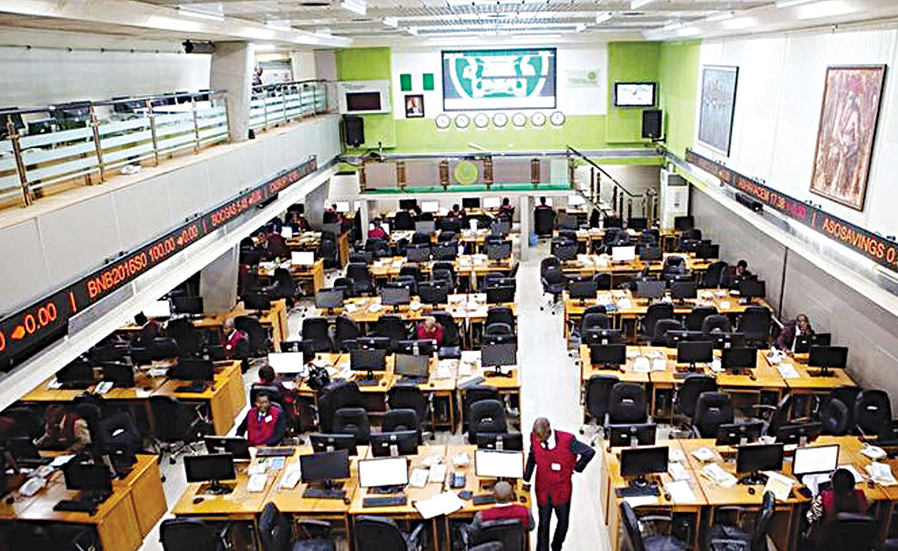
The Nigerian Exchange All-Share Index and market capitalisation both fell 1.51 percent over the week, closing at 97,100.31 points and N55.132 trillion respectively, according to Nairametrics.
The move came as investors processed two things at once: a run of mixed corporate earnings accompanied by dividend announcements, and a slight dip in the inflation rate. Either on its own might have pushed the market in a clear direction. Arriving together, they produced the kind of week where the index drifts down without a single dominant cause.
That combination is worth separating out. Earnings season sets the price of individual names, and a mixed season means gains in some sectors are offset by disappointments in others rather than lifting the index as a whole. Dividend announcements complicate the picture further, because a stock trading past its qualification date mechanically loses the value of the payout, which shows up in the index without reflecting any change in the company's prospects.
Inflation is the broader signal. A slight easing is, on the face of it, good news for equities, since it reduces pressure for further monetary tightening and improves the outlook for consumer-facing businesses. But a small decline from a high base does not change the fundamental calculation for an investor comparing equity returns against the yields available on fixed-income instruments, which in Nigeria have for some time offered substantial nominal returns.
The Nigerian Exchange All-Share Index and market capitalisation both fell 1.51 percent over the week, closing at 97,100.31 points and N55.132 trillion respectively, according to Nairametrics.
That comparison is what tends to govern flows on the NGX. When Treasury yields are attractive, institutional money that might otherwise support equity valuations sits in government paper instead, and the equity market has to work harder to hold its level. A one-week decline of this size is consistent with that pattern rather than with any loss of confidence in the listed companies themselves.
Market capitalisation falling in step with the index indicates the decline was broad rather than concentrated in one or two heavyweight names. Where a single large-cap stock drives an index move, the two figures usually diverge.
For retail investors the practical reading is that the week reflected repositioning around results and payout dates rather than a directional call on the Nigerian economy.
Based on reporting by Nairametrics.