Uganda Maintains Stable Fuel Supplies Amid Regional Tensions
The East African nation has assured citizens and businesses that current petroleum reserves are adequate for the coming weeks despite ongoing instability in the Middle East.

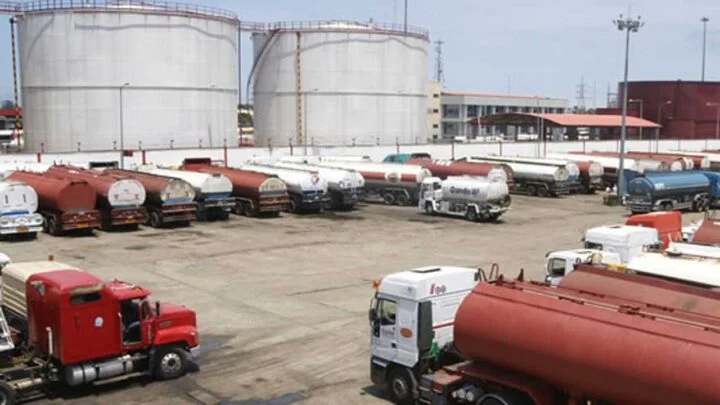
Uganda possesses sufficient fuel reserves to meet national demand for the next two months, according to a senior government official.
The reassurance comes as conflicts in the Middle East continue to affect global energy markets. Ruth Nankabirwa, the country's minister of energy and mineral development, delivered the statement in a video message shared on the social media platform X.
The minister indicated that authorities have implemented specific steps to prevent shortages at service stations. Uganda, like many landlocked countries in East Africa, relies on imports routed primarily through the port of Mombasa in Kenya before being transported inland by road and pipeline.
The statement aims to calm potential concerns among consumers and the business community. Fuel price fluctuations and supply disruptions have previously triggered public anxiety in Uganda, a nation where transport costs directly influence the price of food and other essential goods.
Uganda possesses sufficient fuel reserves to meet national demand for the next two months, according to a senior government official.
The government has not disclosed the exact volume of current stocks or the precise measures taken to safeguard distribution. However, the public communication underscores an effort to maintain confidence in the energy sector amid external pressures.
Uganda's energy ministry regularly monitors both domestic consumption patterns and international developments that could affect supply chains. The country has in recent years expanded its fuel storage capacity as part of broader efforts to enhance energy security.
This latest assurance arrives more than five months after it was originally issued, at a time when the trajectory of Middle East tensions remains uncertain. Regional analysts continue to watch how prolonged disruptions might eventually influence East African import costs and availability.
The development highlights the interconnected nature of global energy markets and the importance for import-dependent economies to maintain strategic reserves.
Based on reporting by The Independent UG.
تمتلك أوغندا احتياطيات وقود كافية لتلبية الطلب الوطني خلال الشهرين المقبلين، وفقاً لمسؤول حكومي رفيع المستوى.
يأتي هذا الطمأنينة في وقت تؤثر فيه الصراعات في الشرق الأوسط على أسواق الطاقة العالمية. وقالت روث نانكابيروا، وزيرة الطاقة والتنمية المعدنية في البلاد، في رسالة مصورة نشرت على منصة التواصل الاجتماعي إكس.
أشارت الوزيرة إلى أن السلطات اتخذت خطوات محددة لمنع النقص في محطات الخدمة. وتعتمد أوغندا، مثل العديد من الدول غير الساحلية في شرق أفريقيا، على الواردات التي تمر أساساً عبر ميناء مومباسا في كينيا قبل نقلها براً ومن خلال خطوط الأنابيب.
يهدف البيان إلى تهدئة المخاوف المحتملة بين المستهلكين والمجتمع التجاري. سبق أن أثارت تقلبات أسعار الوقود واضطرابات الإمداد قلقاً عاماً في أوغندا، وهي دولة يؤثر فيها تكلفة النقل مباشرة على أسعار الغذاء والسلع الأساسية الأخرى.
لم يكشف الحكومة عن الحجم الدقيق للاحتياطيات الحالية أو التدابير الدقيقة المتخذة لحماية التوزيع. ومع ذلك، يبرز التواصل العام جهداً للحفاظ على الثقة في قطاع الطاقة وسط الضغوط الخارجية.
تراقب وزارة الطاقة في أوغندا بانتظام أنماط الاستهلاك المحلية والتطورات الدولية التي قد تؤثر على سلاسل التوريد. وقد وسعت البلاد في السنوات الأخيرة سعة تخزين الوقود كجزء من جهود أوسع لتعزيز أمن الطاقة.
يأتي هذا الطمأنينة الأخير بعد أكثر من خمسة أشهر من إصداره في الأصل، في وقت لا يزال فيه مسار التوترات في الشرق الأوسط غير مؤكد. يواصل المحللون الإقليميون مراقبة كيفية تأثير الاضطرابات الطويلة الأمد في نهاية المطاف على تكاليف الواردات وتوافرها في شرق أفريقيا.
يبرز هذا التطور الطبيعة المترابطة لأسواق الطاقة العالمية وأهمية الحفاظ على الاحتياطيات الاستراتيجية للاقتصادات المعتمدة على الواردات.