World Urban Forum adopts Baku Call to Action to address housing crisis
The record-breaking gathering in Baku concluded with a new roadmap urging international stakeholders and governments to collaborate on sustainable housing solutions for billions of people worldwide.
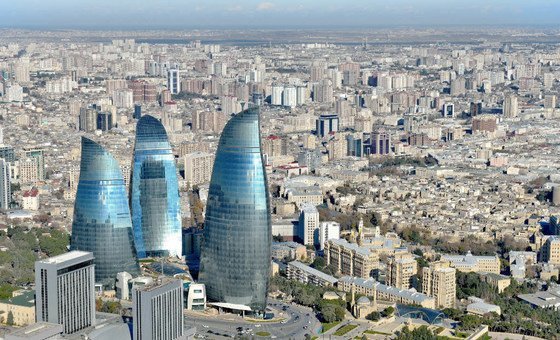
The World Urban Forum concluded its latest session in Baku on Friday by adopting the 'Baku Call to Action,' a strategic roadmap designed to address the escalating global housing crisis. This landmark agreement calls for a fundamental shift in how governments, municipal leaders, and local communities approach the challenge of providing adequate shelter. According to UN News Economy, the document emphasizes the necessity of collective action to support the billions of individuals currently affected by housing instability.
Record Participation in Baku
The event marked a significant milestone for international urban planning and development, drawing more than 57,000 participants. This figure represents the largest attendance in the history of the World Urban Forum, signaling an increased international focus on the complexities of urbanization and the socio-economic impacts of the housing shortage. The diverse range of attendees included policy makers and community representatives who gathered to share strategies for sustainable urban growth.
A Call for Collective Reform
The 'Baku Call to Action' serves as an urgent appeal to rethink traditional housing models. It urges national and local governments to work in tandem with the private sector and civil society to implement the new roadmap. The initiative seeks to bridge the gap between current housing availability and the growing needs of global populations, particularly in rapidly expanding urban centers where infrastructure often fails to keep pace with demand.
The event marked a significant milestone for international urban planning and development, drawing more than 57,000 participants.
As the forum closed, participants emphasized that the housing crisis is not merely a local issue but a global challenge requiring synchronized policy responses. The roadmap provides a framework for these interventions, focusing on the rights of residents and the long-term viability of urban environments. By establishing this collective commitment, the forum aims to mobilize resources and political will to ensure that housing becomes a central pillar of global development agendas in the coming years.
Based on reporting by UN News Economy.
اختتم المنتدى الحضري العالمي دورته الأخيرة في باكو يوم الجمعة باعتماد "دعوة باكو للعمل"، وهي خارطة طريق استراتيجية مصممة لمعالجة أزمة السكن العالمية المتصاعدة. وتدعو هذه الاتفاقية التاريخية إلى تحول جذري في كيفية تعامل الحكومات والقادة المحليين والمجتمعات مع تحدي توفير المأوى الملائم. ووفقاً لـ "يو إن نيوز إيكونومي" (UN News Economy)، تؤكد الوثيقة على ضرورة العمل الجماعي لدعم مليارات الأفراد المتأثرين حالياً بعدم استقرار السكن.
مشاركة قياسية في باكو
شكل هذا الحدث علامة فارقة في مجال التخطيط الحضري والتنمية الدولية، حيث جذب أكثر من 57,000 مشارك. ويمثل هذا الرقم أكبر حضور في تاريخ المنتدى الحضري العالمي، مما يشير إلى زيادة التركيز الدولي على تعقيدات التوسع الحضري والآثار الاجتماعية والاقتصادية لنقص السكن. وشملت مجموعة الحاضرين المتنوعة صانعي سياسات وممثلي مجتمعات اجتمعوا لتبادل الاستراتيجيات من أجل النمو الحضري المستدام.
دعوة للإصلاح الجماعي
تعد "دعوة باكو للعمل" بمثابة نداء عاجل لإعادة التفكير في نماذج الإسكان التقليدية. وهي تحث الحكومات الوطنية والمحلية على العمل جنباً إلى جنب مع القطاع الخاص والمجتمع المدني لتنفيذ خارطة الطريق الجديدة. وتسعى المبادرة إلى سد الفجوة بين توفر السكن الحالي والاحتياجات المتزايدة لسكان العالم، لا سيما في المراكز الحضرية سريعة التوسع حيث تفشل البنية التحتية غالباً في مواكبة الطلب.
ومع اختتام المنتدى، أكد المشاركون أن أزمة السكن ليست مجرد قضية محلية بل تحدياً عالمياً يتطلب استجابات سياسية متزامنة. وتوفر خارطة الطريق إطاراً لهذه التدخلات، مع التركيز على حقوق السكان والاستدامة طويلة الأجل للبيئات الحضرية. ومن خلال تأسيس هذا الالتزام الجماعي، يهدف المنتدى إلى حشد الموارد والإرادة السياسية لضمان أن يصبح الإسكان ركيزة أساسية في أجندات التنمية العالمية في السنوات المقبلة.