Nigerian Crude Oil Grades Fall Below 90 Dollars
Prices for Nigerian crude have dropped under the key 90-dollar threshold following weak economic indicators from China and expectations of potential interest rate cuts in the United States.

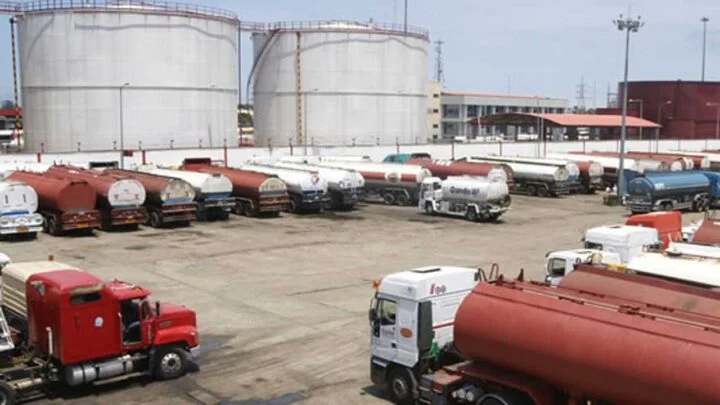
Nigerian crude oil grades have fallen below 90 dollars a barrel, reflecting broader pressures on global energy markets.
The decline comes as China's economy shows signs of weakness, according to Nairametrics. Such data from the world's second-largest economy typically weighs on demand expectations for oil.
Market participants are also monitoring the possibility of interest rate reductions by the US Federal Reserve. Lower borrowing costs could eventually support economic activity but in the near term contribute to volatility in commodity pricing.
Nigeria, one of Africa's largest oil producers, relies heavily on petroleum exports for government revenue and foreign exchange. The country produces several grades of crude, including Bonny Light and Forcados, which are favoured for their low sulphur content.
Nigerian crude oil grades have fallen below 90 dollars a barrel, reflecting broader pressures on global energy markets.
The pricing environment matters for Nigeria's fiscal planning. The government sets an annual budget benchmark price for oil, and sustained deviations can affect public spending and debt levels.
Global oil markets remain sensitive to developments in major consuming nations. China's industrial output, construction activity and consumer spending all influence how much crude it imports.
Analysts watch these factors closely because they help determine whether current price levels will persist or reverse as new economic data emerges from Asia and North America.
The recent movement places additional scrutiny on Nigeria's efforts to maintain production levels and attract investment into its energy sector despite fluctuations in international benchmarks.
Based on reporting by Nairametrics.
انخفضت درجات النفط الخام النيجيري إلى أقل من 90 دولاراً للبرميل، مما يعكس ضغوطاً أوسع على أسواق الطاقة العالمية.
يأتي الانخفاض في وقت تظهر فيه الاقتصاد الصيني علامات على الضعف، وفقاً لنيرا ميتريكس. مثل هذه البيانات من ثاني أكبر اقتصاد في العالم عادة ما تؤثر على توقعات الطلب على النفط.
يراقب المشاركون في السوق أيضاً إمكانية خفض أسعار الفائدة من قبل الاحتياطي الفيدرالي الأميركي. قد تدعم تكاليف الاقتراض المنخفضة النشاط الاقتصادي في نهاية المطاف لكنها تساهم في تقلبات أسعار السلع في المدى القريب.
تعتمد نيجيريا، إحدى أكبر منتجي النفط في أفريقيا، بشكل كبير على صادرات البترول لإيرادات الحكومة والعملة الأجنبية. ينتج البلد عدة درجات من الخام، بما في ذلك بوني لايت وفوركادوس، والتي تفضل لانخفاض محتواها من الكبريت.
يهم بيئة التسعير التخطيط المالي لنيجيريا. تحدد الحكومة سعراً مرجعياً سنوياً للنفط في الميزانية، ويمكن أن تؤثر الانحرافات المستمرة على الإنفاق العام ومستويات الدين.
تظل أسواق النفط العالمية حساسة تجاه التطورات في الدول المستهلكة الرئيسية. يؤثر الإنتاج الصناعي والنشاط الإنشائي والإنفاق الاستهلاكي في الصين جميعها على كمية الخام التي تستوردها.
يراقب المحللون هذه العوامل عن كثب لأنها تساعد في تحديد ما إذا كانت مستويات الأسعار الحالية ستستمر أم ستعكس مع ظهور بيانات اقتصادية جديدة من آسيا وأمريكا الشمالية.
يضع الحركة الأخيرة تدقيقاً إضافياً على جهود نيجيريا للحفاظ على مستويات الإنتاج وجذب الاستثمار في قطاع الطاقة رغم التقلبات في المؤشرات الدولية.