Uganda biogas initiative boosts household adoption rates
A low-cost project in Wakiso has encouraged greater use of biogas systems among residents, including a retired church leader who initially sought a quiet post-career life.

A low-cost biogas project in Uganda has led to increased uptake of the technology among households in Wakiso district.
The initiative has drawn in participants who might not otherwise have adopted the systems, according to The Independent UG. One notable example is a retired senior figure from the Seventh Day Adventist Church who had planned a peaceful retirement supported by his family.
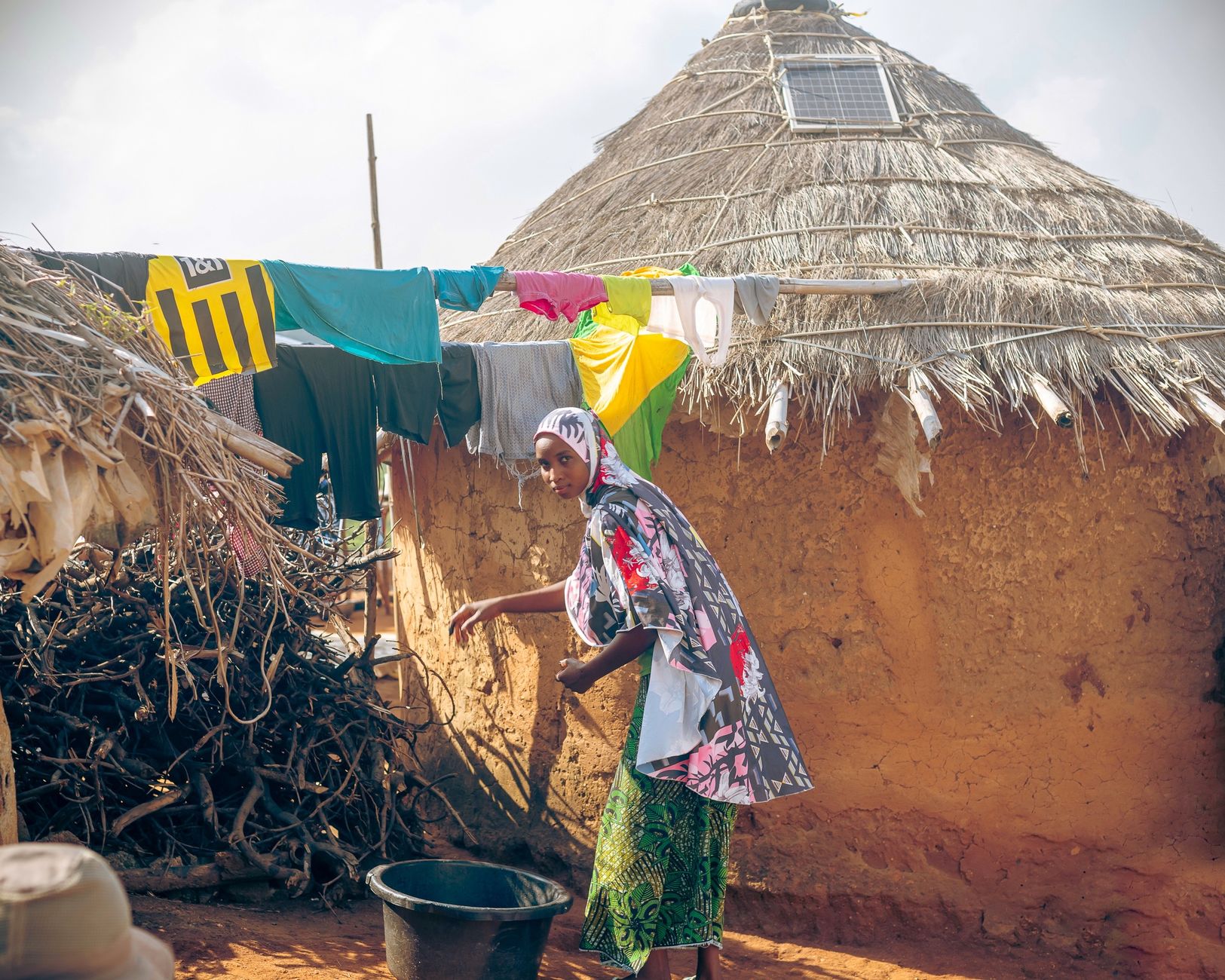
Wakiso lies just outside the capital Kampala, part of Uganda's densely populated central region where many households rely on traditional biomass for cooking and heating. Biogas offers an alternative that uses organic waste to produce methane for energy, potentially reducing deforestation and indoor air pollution.
The report highlights how the affordability of the project has made the technology accessible. For the retired pastor, identified as Christian Aliddeki and a former president of the Uganda Union Mission, involvement in the biogas scheme appears to have shifted his post-retirement plans away from complete withdrawal from public activities.
A low-cost biogas project in Uganda has led to increased uptake of the technology among households in Wakiso district.
Uganda has promoted biogas for years as part of efforts to address energy needs in rural and peri-urban areas. Adoption has often been limited by high upfront costs of digesters and lack of technical support, challenges that this low-cost approach seeks to overcome.
The project demonstrates how targeted interventions can change household behaviour toward cleaner energy sources. By lowering financial barriers, it allows families to convert animal and kitchen waste into usable fuel, offering both environmental and practical benefits.
Details remain limited on the exact scale of the increase in uptake or specific mechanisms used to reduce costs. The Independent UG's coverage focuses on individual stories emerging from the district to illustrate broader trends in biogas adoption.
Such initiatives form part of Uganda's wider push toward sustainable energy solutions. Success in Wakiso could inform similar programmes elsewhere in the country, where energy access and environmental pressures remain significant concerns for many communities.
Based on reporting by The Independent UG.
أدت مبادرة غاز حيوي منخفضة التكلفة في أوغندا إلى زيادة معدلات استخدام التكنولوجيا بين الأسر في منطقة واكيسو.
لقد جذبت المبادرة مشاركين ربما لم يتبنوا هذه الأنظمة لولا ذلك، وفقاً لصحيفة The Independent UG. ومن الأمثلة البارزة شخصية دينية متقاعدة من الكنيسة الأدفنتست السبتية كان قد خطط لحياة هادئة بعد التقاعد بدعم من أسرته.
تقع واكيسو خارج العاصمة كمبالا مباشرة، وهي جزء من منطقة أوغندا الوسطى المكتظة بالسكان حيث تعتمد العديد من الأسر على الكتلة الحيوية التقليدية للطبخ والتدفئة. يوفر الغاز الحيوي بديلاً يستخدم النفايات العضوية لإنتاج الميثان للطاقة، مما قد يقلل من إزالة الغابات والتلوث الهوائي الداخلي.
يبرز التقرير كيف جعلت تكلفة المشروع المنخفضة التكنولوجيا في متناول الجميع. بالنسبة للراعي المتقاعد، الذي حددته الصحيفة باسم كريستيان أليديكي والرئيس السابق لاتحاد أوغندا، يبدو أن المشاركة في مشروع الغاز الحيوي قد غيرت خططه بعد التقاعد بعيداً عن الانسحاب الكامل من الأنشطة العامة.
روجت أوغندا للغاز الحيوي منذ سنوات كجزء من الجهود لمعالجة احتياجات الطاقة في المناطق الريفية وشبه الحضرية. غالباً ما كان التبني محدوداً بسبب التكاليف الأولية العالية للهاضمات وعدم وجود الدعم الفني، وهي تحديات تسعى هذه الطريقة منخفضة التكلفة إلى التغلب عليها.
تظهر المبادرة كيف يمكن للتدخلات المستهدفة أن تغير سلوكيات الأسر نحو مصادر طاقة أنظف. من خلال خفض الحواجز المالية، تسمح للعائلات بتحويل نفايات الحيوانات والمطبخ إلى وقود قابل للاستخدام، مما يوفر فوائد بيئية وعملية.
تبقى التفاصيل محدودة حول الحجم الدقيق للزيادة في التبني أو الآليات المحددة المستخدمة لتقليل التكاليف. يركز تقرير The Independent UG على القصص الفردية الناشئة من المنطقة لتوضيح الاتجاهات الأوسع في تبني الغاز الحيوي.
تشكل مثل هذه المبادرات جزءاً من الدفع الأوسع لأوغندا نحو حلول الطاقة المستدامة. قد يساعد النجاح في واكيسو على إعلام برامج مشابهة في أماكن أخرى من البلاد، حيث يظل الوصول إلى الطاقة والضغوط البيئية مصدر قلق كبير للعديد من المجتمعات.