Cooking Gas Price Drops in Abuja After Months of Increases
The cost of liquefied petroleum gas fell to 1,498 naira per kilogram in parts of Nigeria's Federal Capital Territory, easing pressure on households that had faced repeated price rises.
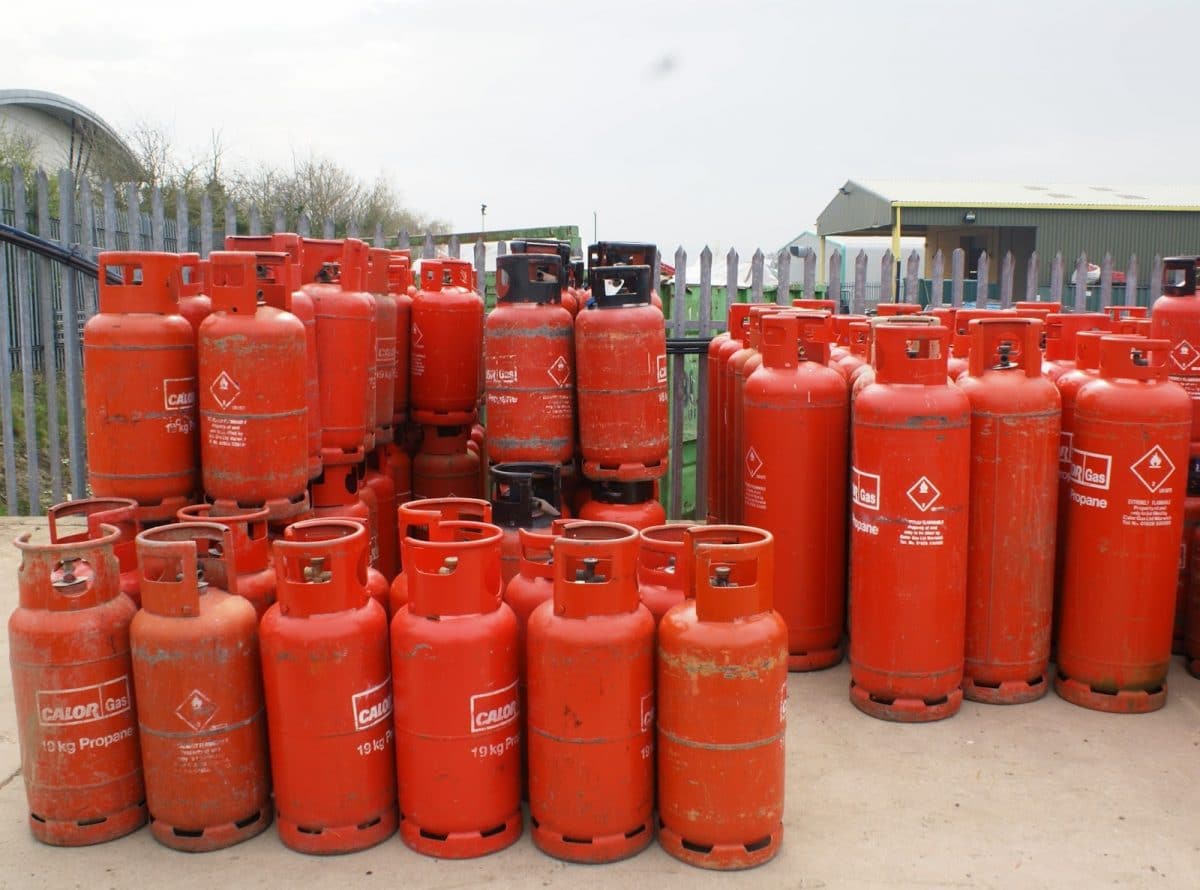
The price of cooking gas in parts of Nigeria's Federal Capital Territory has declined after reaching a high of 2,000 naira per kilogram, according to Nairametrics.
The drop to 1,498 naira per kilogram offers limited relief to households that rely on liquefied petroleum gas for daily cooking. Many residents in the capital region had faced sustained increases in recent months amid broader economic pressures.
Nigeria produces significant quantities of crude oil but often struggles with domestic refining capacity. This leads to heavy reliance on imported refined products, including LPG, whose prices are influenced by global energy markets and local distribution costs.
The Federal Capital Territory, which includes Abuja, serves as the political centre of Africa's most populous nation. Households there, like those across much of the country, use LPG as a cleaner alternative to firewood or charcoal, though cost remains a barrier for many families.
The price of cooking gas in parts of Nigeria's Federal Capital Territory has declined after reaching a high of 2,000 naira per kilogram, according to Nairametrics.
The latest decline comes after a period of volatility. Prices had climbed steadily, squeezing budgets in a country where inflation has affected essential goods and services.
Energy analysts note that such fluctuations reflect both international supply dynamics and domestic factors such as transportation expenses and retailer margins. No immediate information was available on whether the lower price would extend beyond the areas initially affected.
For many Nigerian consumers, even modest reductions in LPG costs represent a meaningful change in monthly expenditure, particularly during periods of broader economic strain.
Based on reporting by Nairametrics.
انخفض سعر غاز الطبخ في أجزاء من إقليم العاصمة الاتحادية في نيجيريا بعد أن بلغ ذروته عند 2000 نايرا للكيلوغرام، وفقاً لنيرا ميتريكس.
يمنح الانخفاض إلى 1498 نايرا للكيلوغرام بعض الراحة للأسر التي تعتمد على غاز البترول المسال في الطهي اليومي. فقد واجه العديد من السكان في منطقة العاصمة ارتفاعات مستمرة في الأشهر الأخيرة وسط ضغوط اقتصادية أوسع.
تنتج نيجيريا كميات كبيرة من النفط الخام لكنها غالباً ما تواجه صعوبات في قدرة التكرير المحلية. وهذا يؤدي إلى اعتماد كبير على المنتجات المكررة المستوردة، بما في ذلك غاز البترول المسال، الذي تتأثر أسعاره بالأسواق العالمية للطاقة وتكاليف التوزيع المحلية.
يُعد إقليم العاصمة الاتحادية، الذي يشمل أبوجا، المركز السياسي لأكثر دول أفريقيا سكاناً. تستخدم الأسر هناك، مثل معظم أنحاء البلاد، غاز البترول المسال كبديل أنظف للحطب أو الفحم، على الرغم من أن التكلفة تبقى عقبة أمام العديد من العائلات.
يأتي الانخفاض الأخير بعد فترة من التقلبات. فقد ارتفعت الأسعار بثبات، مما يضغط على الميزانيات في بلد تأثر فيه التضخم بالسلع والخدمات الأساسية.
يلاحظ محللو الطاقة أن مثل هذه التقلبات تعكس كلاً من ديناميكيات العرض الدولية والعوامل المحلية مثل نفقات النقل وهوامش التجار. لم تتوفر معلومات فورية حول ما إذا كان السعر الأقل سيمتد إلى ما وراء المناطق المتضررة في البداية.
بالنسبة للعديد من المستهلكين النيجيريين، حتى الانخفاضات المتواضعة في تكاليف غاز البترول المسال تمثل تغييراً ملموساً في الإنفاق الشهري، خاصة خلال فترات الضغط الاقتصادي الأوسع.