Nigeria Considers Lagoon Backfilling for Lekki Seaport Road
The Federal Government is evaluating the option of filling a stagnant lagoon to avoid constructing a three-kilometre bridge on the access road linking Lekki Deep Seaport to Epe and Ijebu-Ode.
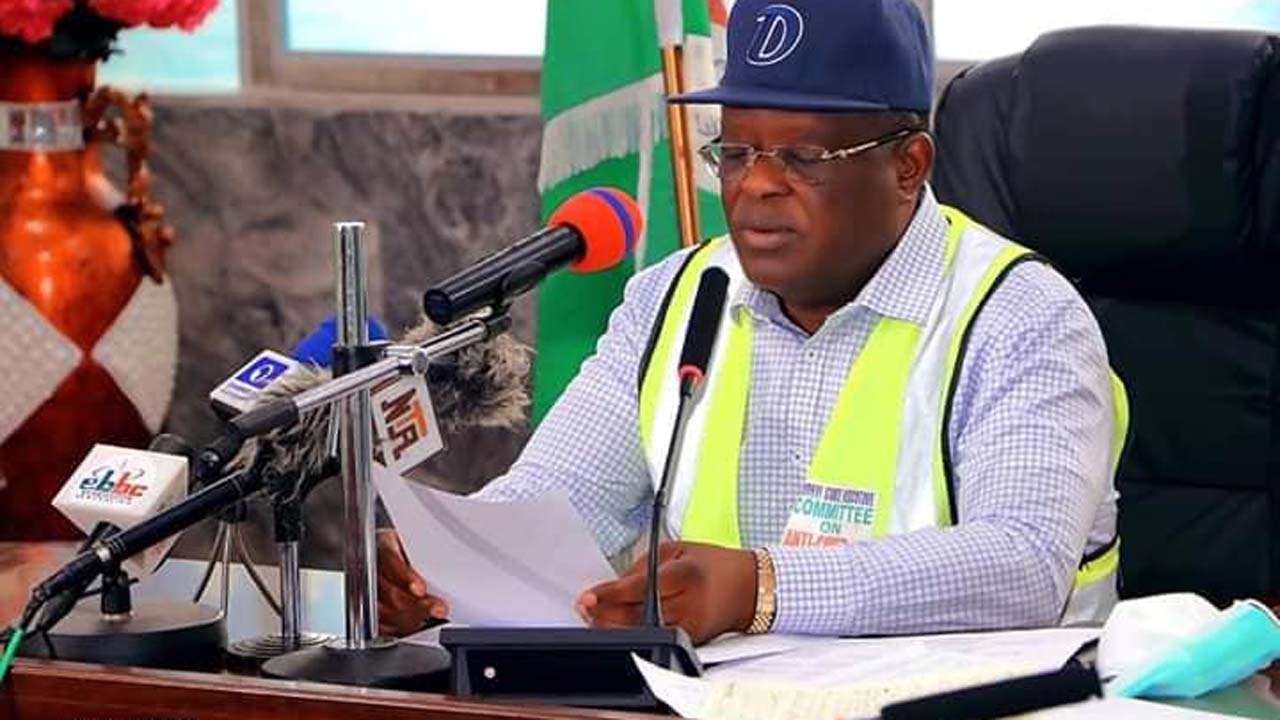
The Nigerian Federal Government is examining the possibility of backfilling a non-flowing lagoon as an alternative to building a three-kilometre bridge on the access road to the Lekki Deep Seaport.
The disclosure was made by the Minister of Works during an inspection of the ongoing project, according to the News Agency of Nigeria. The road is intended to connect the seaport with Epe and Ijebu-Ode in Ogun State.
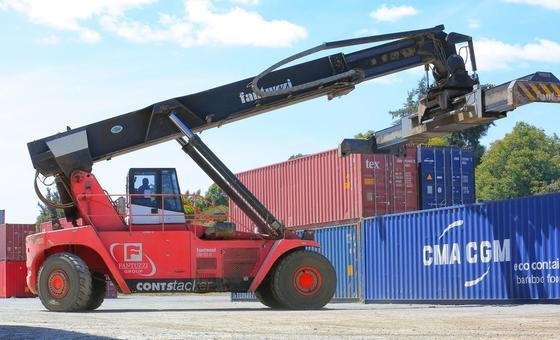
This consideration forms part of efforts to complete the infrastructure supporting the Lekki Deep Seaport, one of Nigeria's major port developments aimed at boosting maritime trade. The seaport, located in Lagos State, has been a key project to enhance the country's capacity to handle larger vessels and increase cargo throughput.
The proposed backfilling would replace the need for a lengthy bridge structure over the lagoon, potentially altering the construction approach and timeline for the road project. Such a method could involve significant engineering and environmental assessments given the lagoon's location in the coastal region of Lagos.
The Nigerian Federal Government is examining the possibility of backfilling a non-flowing lagoon as an alternative to building a three-kilometre bridge on the access road to the Lekki Deep Seaport.
Nigeria's road and port infrastructure projects often face challenges related to funding, environmental impact and technical feasibility. The access road is critical for improving connectivity between the seaport and hinterland areas, facilitating the movement of goods to and from the port.
The Lekki Deep Seaport itself began operations in recent years as part of broader initiatives to modernise Nigeria's maritime sector and reduce reliance on older facilities in Apapa and Tin Can Island. Improved road access is seen as essential to realising the port's full economic potential.
Any decision on backfilling the lagoon would require careful study of local hydrology and ecological effects, as coastal lagoons in the Lagos area form part of a larger wetland system that supports biodiversity and local livelihoods.
Based on reporting by Nairametrics.
تدرس الحكومة الفيدرالية النيجيرية إمكانية ردم بحيرة غير متدفقة كبديل لبناء جسر طوله ثلاثة كيلومترات على الطريق المؤدي إلى ميناء ليكي العميق.
تم الإفصاح عن ذلك من قبل وزير الأشغال أثناء تفقده للمشروع الجاري، وفقاً لوكالة الأنباء النيجيرية. ويهدف الطريق إلى ربط الميناء العميق بمنطقتي إيبي وإيجيبو-أودي في ولاية أوغون.
يشكل هذا النظر جزءاً من الجهود الرامية إلى إنجاز البنية التحتية الداعمة لميناء ليكي العميق، وهو أحد التطورات المينائية الرئيسية في نيجيريا بهدف تعزيز التجارة البحرية. يقع الميناء في ولاية لاغوس وقد كان مشروعاً رئيسياً لتعزيز قدرة البلاد على التعامل مع السفن الأكبر وزيادة حركة الشحن.
سيحل الردم المقترح محل الحاجة إلى بناء هيكل جسر طويل فوق البحيرة، مما قد يغير النهج الإنشائي والجدول الزمني لمشروع الطريق. قد يتطلب هذا الأسلوب تقييمات هندسية وبيئية كبيرة نظراً لموقع البحيرة في المنطقة الساحلية لاغوس.
تواجه مشاريع البنية التحتية للطرق والموانئ في نيجيريا في كثير من الأحيان تحديات تتعلق بالتمويل والتأثير البيئي والجدوى الفنية. يعد الطريق المؤدي أمراً حاسماً لتحسين الربط بين الميناء والمناطق الداخلية، مما يسهل نقل البضائع من وإلى الميناء.
بدأ ميناء ليكي العميق نفسه العمليات في السنوات الأخيرة كجزء من مبادرات أوسع لتحديث القطاع البحري في نيجيريا وتقليل الاعتماد على المرافق القديمة في أبابا وتين كان آيلاند. يُنظر إلى تحسين الوصول عبر الطرق على أنه أمر أساسي لتحقيق الإمكانات الاقتصادية الكاملة للميناء.
سيتطلب أي قرار بشأن ردم البحيرة دراسة دقيقة للهيدرولوجيا المحلية والتأثيرات البيئية، حيث تشكل البحيرات الساحلية في منطقة لاغوس جزءاً من نظام أراضي رطبة أكبر يدعم التنوع البيولوجي وسبل العيش المحلية.