Nigeria Plans Tax Relief for Majority of Informal Businesses
The Nigerian government is creating a mechanism to exempt an estimated 95 percent of small enterprises in the informal sector from paying taxes as part of broader fiscal reforms.
The Nigerian federal government is preparing a new system that would grant tax relief to 95 percent of businesses operating in the country's vast informal sector.
The initiative forms part of ongoing efforts to reform the nation's fiscal policies and tax framework. It aims to reduce the compliance burden on the smallest economic actors who often lack formal registration or structured accounting.
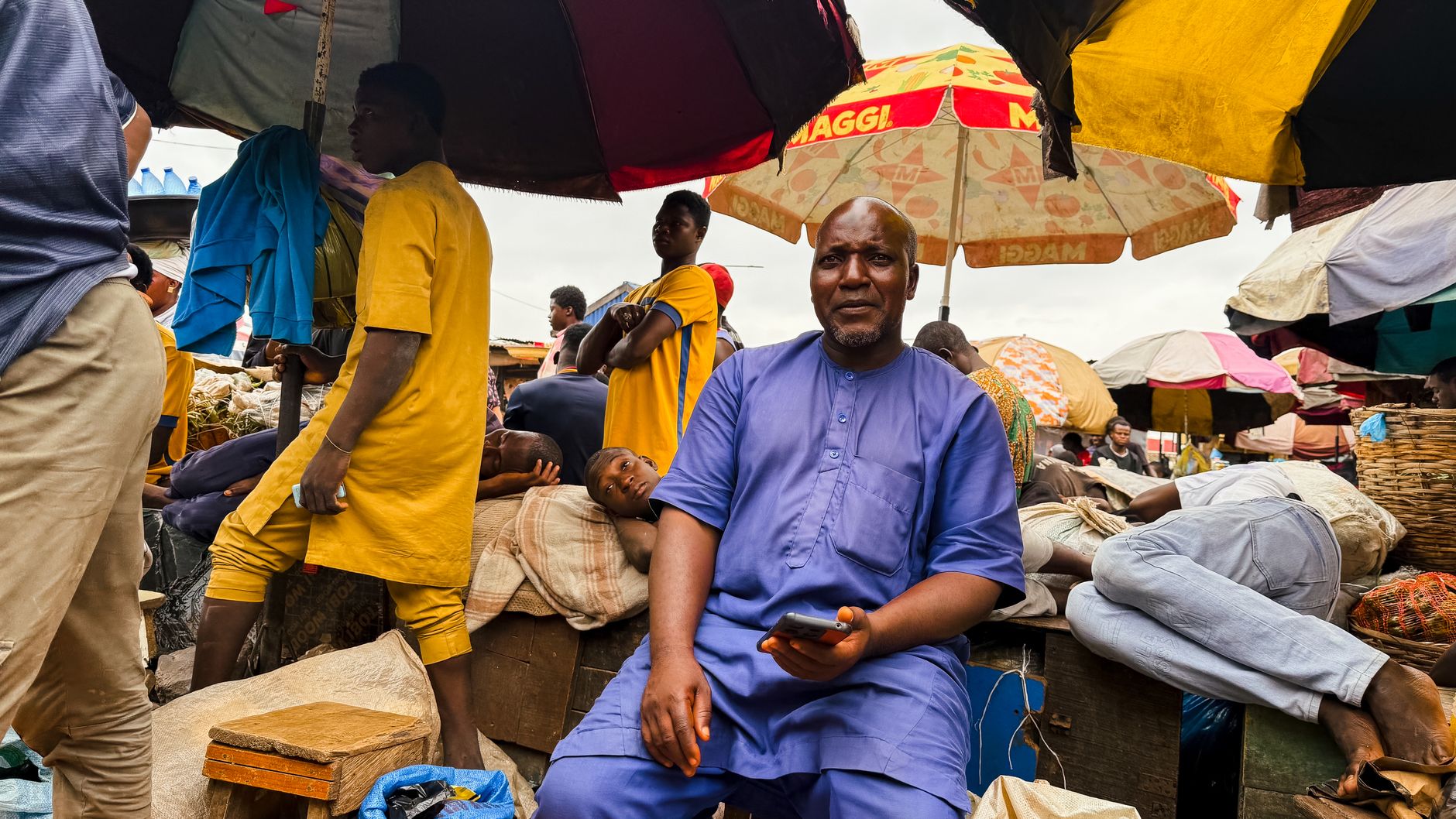
Nigeria's informal sector accounts for a substantial share of national economic activity. Many small businesses and sole traders operate outside formal regulatory oversight, contributing to employment and local commerce but generating limited direct tax revenue for the state.
Taiwo Oyedele, who chairs the Presidential Fiscal Policy and Tax Reforms Committee, disclosed the government's intentions. The committee is tasked with reviewing and redesigning tax rules to improve efficiency and fairness across different segments of the economy.
The Nigerian federal government is preparing a new system that would grant tax relief to 95 percent of businesses operating in the country's vast informal sector.
The proposed relief is expected to cover the overwhelming majority of informal enterprises. Officials believe this approach will encourage greater participation in the formal economy over time while immediately easing financial pressures on micro-scale operations.
The announcement comes amid continued debate about how best to expand Nigeria's tax base without stifling entrepreneurship. Supporters argue that shielding the smallest businesses allows authorities to focus collection efforts on larger, more organised entities that have greater capacity to comply.
Implementation details of the relief system have yet to be finalised. The committee continues to develop practical mechanisms that would allow qualifying businesses to benefit without creating new administrative hurdles.
This policy direction reflects a wider recognition that Nigeria's tax architecture must adapt to the realities of an economy where informal activity predominates. Observers will watch closely to see how the relief measures are structured and what impact they have on both revenue collection and business behaviour.
Based on reporting by Techpoint Africa.
تعد الحكومة الاتحادية النيجيرية نظاماً جديداً من شأنه منح تخفيف ضريبي لنسبة 95 في المائة من الشركات العاملة في القطاع غير الرسمي الواسع في البلاد.
يشكل هذا المبادرة جزءاً من الجهود الجارية لإصلاح السياسات المالية والإطار الضريبي في البلاد. ويهدف إلى تقليل عبء الامتثال على أصغر اللاعبين الاقتصاديين الذين غالباً ما يفتقرون إلى التسجيل الرسمي أو المحاسبة المنظمة.
يمثل القطاع غير الرسمي في نيجيريا حصة كبيرة من النشاط الاقتصادي الوطني. تعمل العديد من الشركات الصغيرة والتجار الوحيدين خارج الإشراف التنظيمي الرسمي، مما يساهم في التوظيف والتجارة المحلية لكنه يولد إيرادات ضريبية مباشرة محدودة للدولة.
كشف تايو أوييديلي، رئيس لجنة السياسة المالية الرئاسية وإصلاحات الضرائب، عن نوايا الحكومة. تكلفت اللجنة بمراجعة وإعادة تصميم القواعد الضريبية لتحسين الكفاءة والعدالة عبر مختلف قطاعات الاقتصاد.
من المتوقع أن يغطي التخفيف المقترح الأغلبية الساحقة من المؤسسات غير الرسمية. يعتقد المسؤولون أن هذا النهج سيشجع على مشاركة أكبر في الاقتصاد الرسمي مع مرور الوقت مع تخفيف الضغوط المالية فوراً على العمليات الصغيرة جداً.
يأتي الإعلان وسط نقاش مستمر حول أفضل السبل لتوسيع القاعدة الضريبية في نيجيريا دون خنق ريادة الأعمال. يجادل المؤيدون بأن حماية أصغر الشركات تسمح للسلطات بتركيز جهود التحصيل على الكيانات الأكبر والأكثر تنظيماً التي لديها قدرة أكبر على الامتثال.
لم يتم الانتهاء بعد من تفاصيل تنفيذ نظام التخفيف. تواصل اللجنة تطوير آليات عملية تسمح للشركات المؤهلة بالاستفادة دون خلق عقبات إدارية جديدة.
يعكس اتجاه السياسة هذا اعترافاً أوسع بأن البنية الضريبية في نيجيريا يجب أن تتكيف مع واقع اقتصاد يسيطر فيه النشاط غير الرسمي. سيتابع المراقبون عن كثب كيفية هيكلة تدابير التخفيف وما سيكون تأثيرها على تحصيل الإيرادات وسلوك الأعمال.