Nigeria's First Electric Vehicle Plant Earns Official Praise
The National Automotive Design and Development Council commended SAGLEV Electromobility Nigeria Limited for establishing the country's inaugural fully electric vehicle assembly facility, marking an early step in local manufacturing.
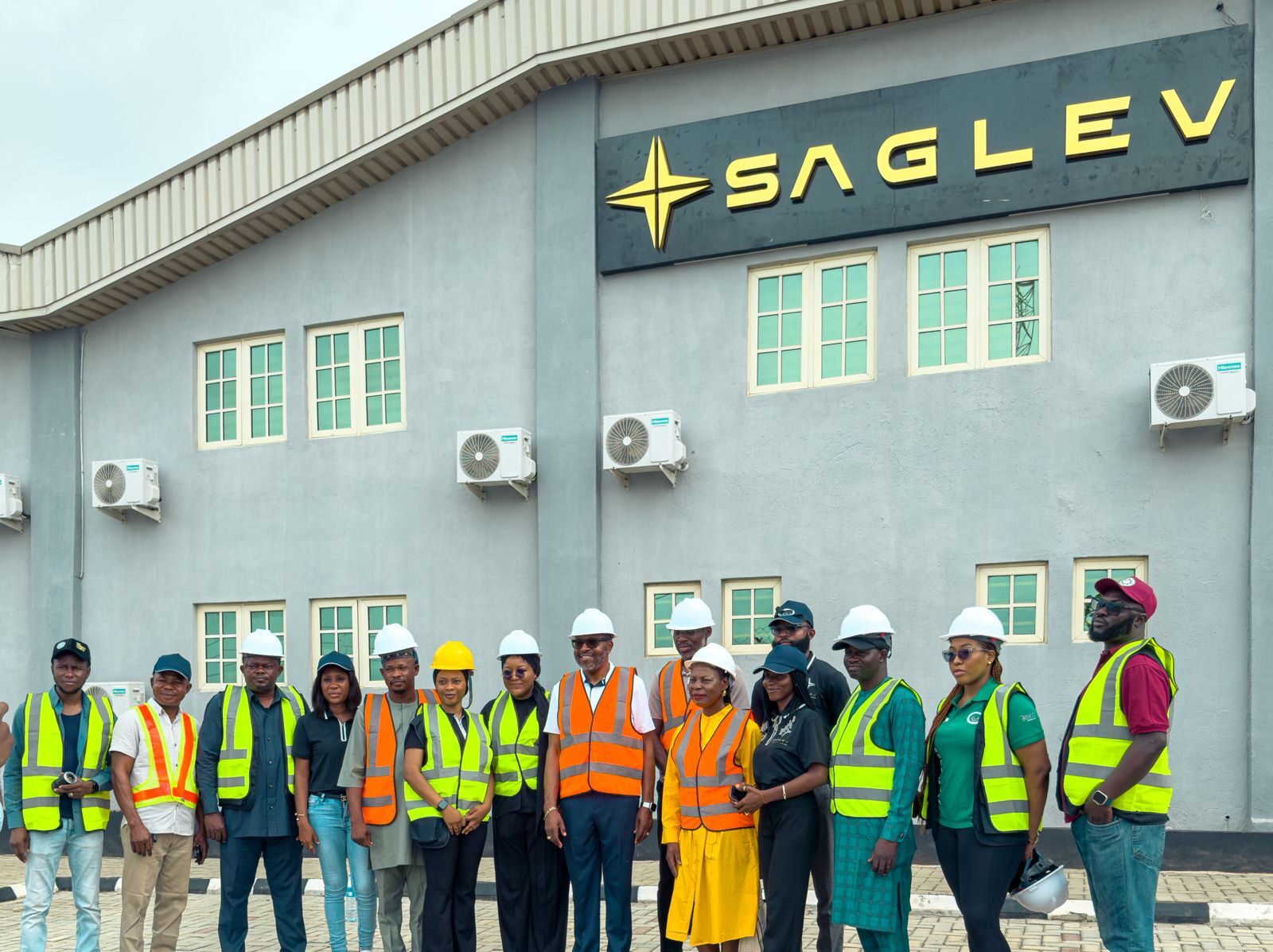
Nigeria's automotive regulator has recognised the operator of the country's first dedicated electric vehicle assembly plant for its role in advancing local manufacturing capabilities.
The National Automotive Design and Development Council praised SAGLEV Electromobility Nigeria Limited for opening the facility, described as the first fully electric vehicle assembly plant in sub-Saharan Africa. The move forms part of broader efforts to develop an automotive industry less reliant on imported vehicles and fossil fuels.
Nigeria, Africa's most populous nation and largest economy, has long imported the majority of its vehicles. The establishment of domestic assembly operations, particularly for electric models, represents an attempt to build industrial capacity and address urban pollution and fuel import costs.
According to Nairametrics, the council highlighted the plant as a pioneering project in electric vehicle manufacturing within Nigeria. Such initiatives align with continental trends toward cleaner transport, although widespread adoption faces challenges including limited charging infrastructure and high upfront costs.
Nigeria's automotive regulator has recognised the operator of the country's first dedicated electric vehicle assembly plant for its role in advancing local manufacturing capabilities.
The recognition comes amid growing interest across Africa in electric mobility. Several countries have introduced policies to encourage local production and reduce dependence on second-hand combustion-engine imports.
SAGLEV's facility is positioned as an initial step toward scaling electric vehicle output. Its success will depend on factors such as supply chain development, skills training and market demand within Nigeria and potential export markets in the region.
The council's commendation underscores official support for private-sector investment in this emerging segment. Observers note that sustained policy backing, including incentives for buyers and manufacturers, will be necessary to move beyond pilot projects.
While the plant marks progress, electric vehicle penetration in Nigeria remains low. Most roads are still dominated by petrol and diesel vehicles, many of them used imports. The transition will require coordinated investment in power generation, given frequent electricity shortages, and in road networks suitable for new technologies.
Based on reporting by Nairametrics.
قام منظم السيارات في نيجيريا بالاعتراف بمشغل مصنع تجميع المركبات الكهربائية الأول المخصص في البلاد لدوره في تعزيز القدرات التصنيعية المحلية.
أثنت المجلس الوطني للتصميم والتطوير السيارات على شركة ساجليف إلكتروموبيليتي نيجيريا المحدودة لافتتاح المنشأة التي وصفت بأنها أول مصنع تجميع مركبات كهربائية كامل في منطقة أفريقيا جنوب الصحراء. يشكل هذا التحرك جزءاً من جهود أوسع لتطوير صناعة سيارات أقل اعتماداً على السيارات المستوردة والوقود الأحفوري.
تعد نيجيريا، أكثر دول أفريقيا سكاناً وأكبر اقتصاداتها، تستورد غالبية سياراتها منذ فترة طويلة. يمثل إنشاء عمليات تجميع محلية، خاصة للنماذج الكهربائية، محاولة لبناء قدرة صناعية ومعالجة تلوث المدن وتكاليف استيراد الوقود.
وفقاً لنيرا ميتريكس، أبرز المجلس المصنع كمشروع رائد في تصنيع المركبات الكهربائية داخل نيجيريا. تتماشى مثل هذه المبادرات مع الاتجاهات القارية نحو النقل الأنظف، على الرغم من أن التبني الواسع يواجه تحديات تشمل البنية التحتية المحدودة للشحن والتكاليف الأولية العالية.
يأتي الاعتراف وسط اهتمام متزايد عبر أفريقيا بالتنقل الكهربائي. أدخلت عدة دول سياسات لتشجيع الإنتاج المحلي وتقليل الاعتماد على الواردات المستعملة ذات المحركات الاحتراقية.
يتموضع مصنع ساجليف كخطوة أولية نحو توسيع إنتاج المركبات الكهربائية. سيعتمد نجاحه على عوامل مثل تطوير سلسلة التوريد وتدريب المهارات والطلب في السوق داخل نيجيريا والأسواق التصديرية المحتملة في المنطقة.
يبرز ثناء المجلس الدعم الرسمي للاستثمار من القطاع الخاص في هذا القطاع الناشئ. يلاحظ المراقبون أن الدعم السياسي المستمر، بما في ذلك الحوافز للمشترين والمصنعين، سيكون ضرورياً لتجاوز المشاريع التجريبية.
رغم أن المصنع يمثل تقدماً، إلا أن انتشار المركبات الكهربائية في نيجيريا لا يزال منخفضاً. لا تزال معظم الطرق تهيمن عليها السيارات التي تعمل بالبنزين والديزل، وكثير منها مستورد مستعمل. ستتطلب الانتقال استثماراً منسقاً في توليد الطاقة، نظراً لنقص الكهرباء المتكرر، وفي شبكات الطرق المناسبة للتكنولوجيات الجديدة.