Nigeria's Unsold Goods Stockpile Reaches Record High
The value of unsold finished goods held by manufacturers jumped 87.5 percent to 2.14 trillion naira in 2024, according to the Manufacturers Association of Nigeria.
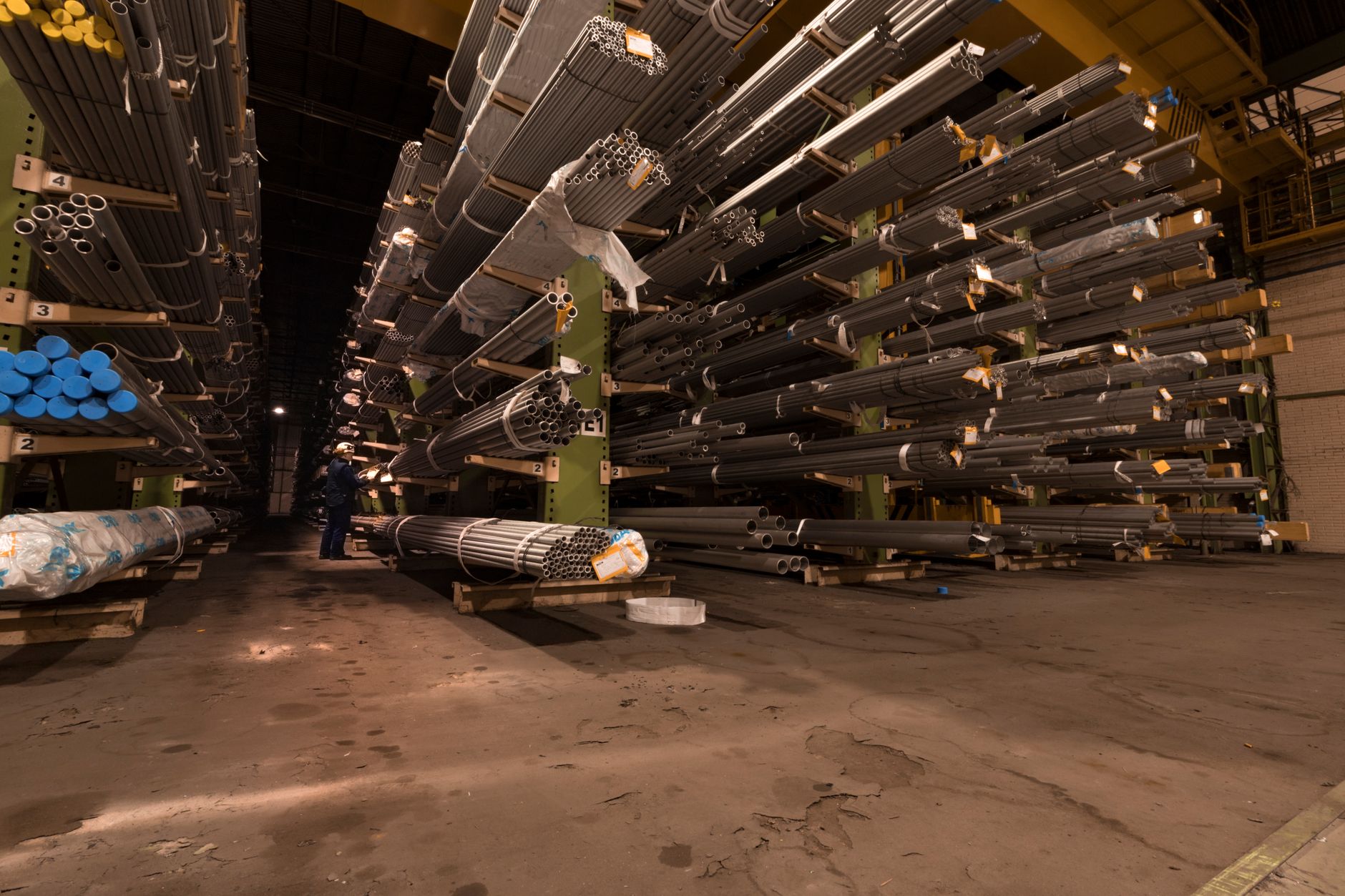
Inventory of unsold finished goods in Nigeria rose sharply last year as manufacturers grappled with subdued consumer demand and elevated operating expenses.
The Manufacturers Association of Nigeria reported that the stock of unsold goods reached 2.14 trillion naira in 2024, an 87.5 percent increase from the previous year. The association attributed the surge mainly to weakened purchasing power among consumers, alongside persistently high production costs.
Nigeria's manufacturing sector has faced multiple pressures in recent years, including foreign exchange shortages, rising energy prices and imported inflation. These factors have driven up the cost of raw materials and operations for many producers, while household incomes have struggled to keep pace.
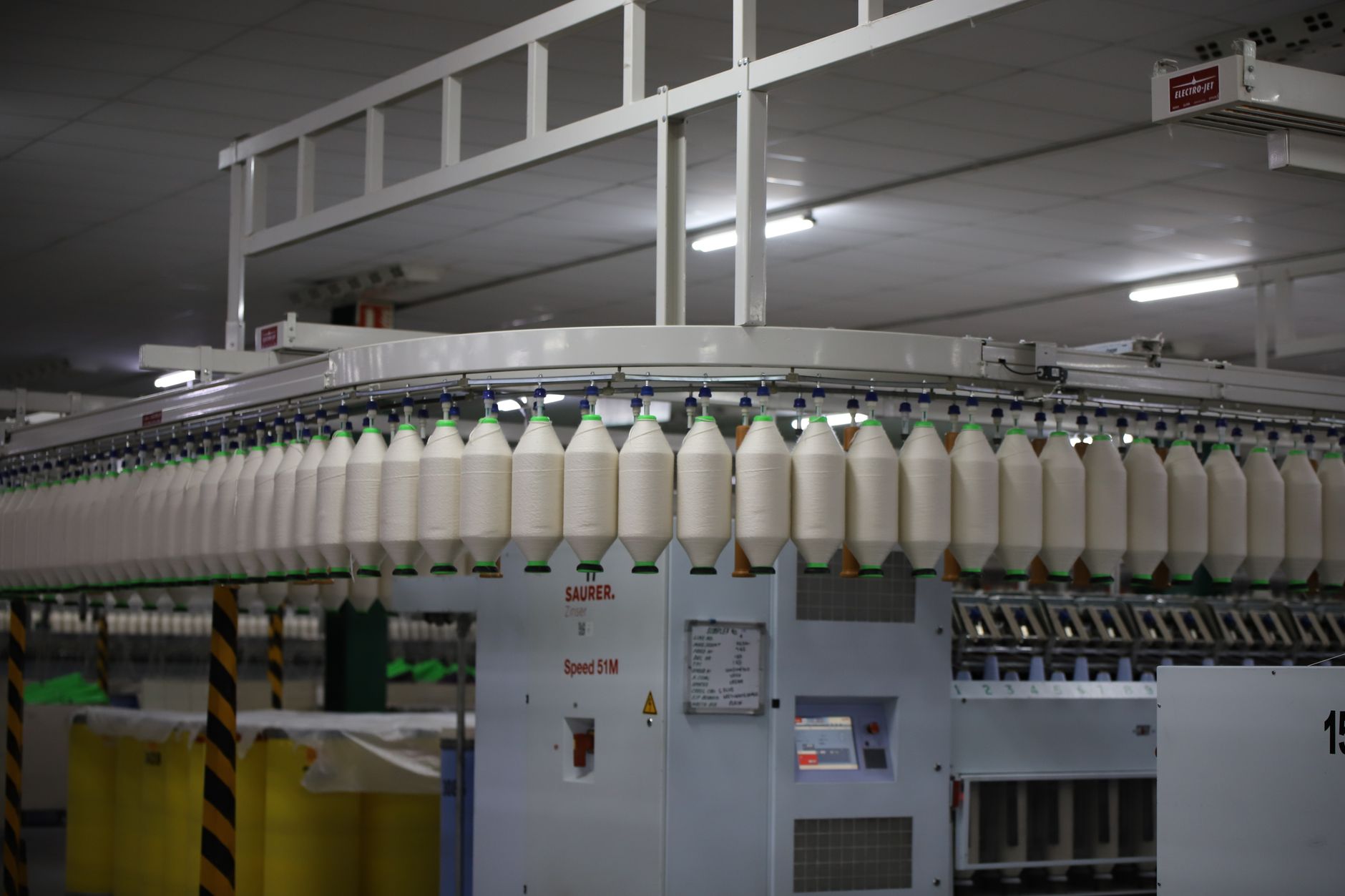
The buildup of unsold inventory signals a mismatch between output and market absorption. When goods remain on factory floors or in warehouses, it ties up capital that could otherwise support new investment or employment.
Inventory of unsold finished goods in Nigeria rose sharply last year as manufacturers grappled with subdued consumer demand and elevated operating expenses.
According to the association, the situation reflects broader economic headwinds that have constrained domestic consumption. Many Nigerian households have cut back on non-essential purchases amid inflationary pressures that eroded real incomes throughout 2024.
The Manufacturers Association of Nigeria regularly compiles data from its members to track sector performance. Its findings are closely watched by policymakers and investors seeking insight into the health of Africa's largest economy.
High inventory levels can also discourage future production, potentially leading to slower industrial growth and reduced contributions to gross domestic product. Manufacturing remains a key pillar of Nigeria's efforts to diversify away from oil dependence, though it continues to operate below its potential capacity.
Industry leaders have previously called for measures to ease the cost of doing business, including improved access to foreign currency for imports and more reliable power supply to lower generation expenses.
The 2024 increase in unsold goods marks a significant escalation from earlier trends and underscores the challenges facing local producers even as the country pursues industrialisation goals.
Based on reporting by Daily Trust.
ارتفع مخزون البضائع الجاهزة غير المباعة في نيجيريا بشكل حاد العام الماضي حيث واجه المصنعون طلباً استهلاكياً ضعيفاً ونفقات تشغيل مرتفعة.
أفادت جمعية مصنعي نيجيريا بأن مخزون البضائع غير المباعة بلغ 2.14 تريليون نيرة في عام 2024، بزيادة نسبتها 87.5 بالمئة عن العام السابق. وعزت الجمعية الارتفاع بشكل أساسي إلى انخفاض القدرة الشرائية لدى المستهلكين، إلى جانب التكاليف الإنتاجية المرتفعة بشكل مستمر.
واجه قطاع التصنيع في نيجيريا ضغوطاً متعددة في السنوات الأخيرة، بما في ذلك نقص العملات الأجنبية وارتفاع أسعار الطاقة والتضخم المستورد. وقد أدت هذه العوامل إلى ارتفاع تكلفة المواد الخام والعمليات بالنسبة للعديد من المنتجين، في حين لم تتمكن دخول الأسر من مواكبة ذلك.
يشير تراكم المخزون غير المباع إلى عدم تطابق بين الإنتاج والامتصاص السوقي. وعندما تبقى البضائع في أرضيات المصانع أو المستودعات، فإن ذلك يربط رؤوس الأموال التي كان يمكن أن تدعم استثمارات جديدة أو فرص عمل.
وفقاً للجمعية، تعكس الحالة تحديات اقتصادية أوسع نطاقاً قد حدت من الاستهلاك المحلي. لقد قلصت العديد من الأسر النيجيرية مشترياتها غير الضرورية وسط ضغوط تضخمية أدت إلى تآكل الدخل الحقيقي طوال عام 2024.
تقوم جمعية مصنعي نيجيريا بانتظام بتجميع بيانات من أعضائها لتتبع أداء القطاع. ويتابع صناع السياسات والمستثمرون نتائجها عن كثب للحصول على رؤى حول صحة أكبر اقتصاد في أفريقيا.
يمكن لمستويات المخزون المرتفعة أيضاً أن تثبط الإنتاج المستقبلي، مما قد يؤدي إلى تباطؤ النمو الصناعي وانخفاض المساهمات في الناتج المحلي الإجمالي. يظل التصنيع ركيزة أساسية في جهود نيجيريا للتنويع بعيداً عن الاعتماد على النفط، على الرغم من أنه يعمل دون طاقته الإنتاجية الكاملة.
دعا قادة الصناعة سابقاً إلى اتخاذ تدابير لتخفيف تكلفة ممارسة الأعمال، بما في ذلك تحسين الوصول إلى العملة الأجنبية للواردات وتوريد أكثر موثوقية للطاقة لخفض نفقات التوليد.
يمثل الارتفاع في البضائع غير المباعة عام 2024 تصعيداً ملحوظاً عن الاتجاهات السابقة ويبرز التحديات التي تواجه المنتجين المحليين حتى مع سعي البلاد نحو أهداف التصنيع.