Uganda Anchors Economic Growth on Agro-industrialisation
The East African nation is focusing its 2024/2025 financial year on four key sectors to expand its economy towards ambitious long-term targets, according to the finance minister.

Uganda has identified agro-industrialisation, tourism development, mineral development including oil and gas, and technology and innovation as the main pillars for its economic expansion in the 2024/2025 financial year.
The strategy aims to drive growth in the landlocked country of more than 45 million people, where agriculture still employs the majority of the workforce. Finance Minister Matia Kasaija outlined the priorities while presenting the budget framework for the fiscal period that began on 1 July 2024.
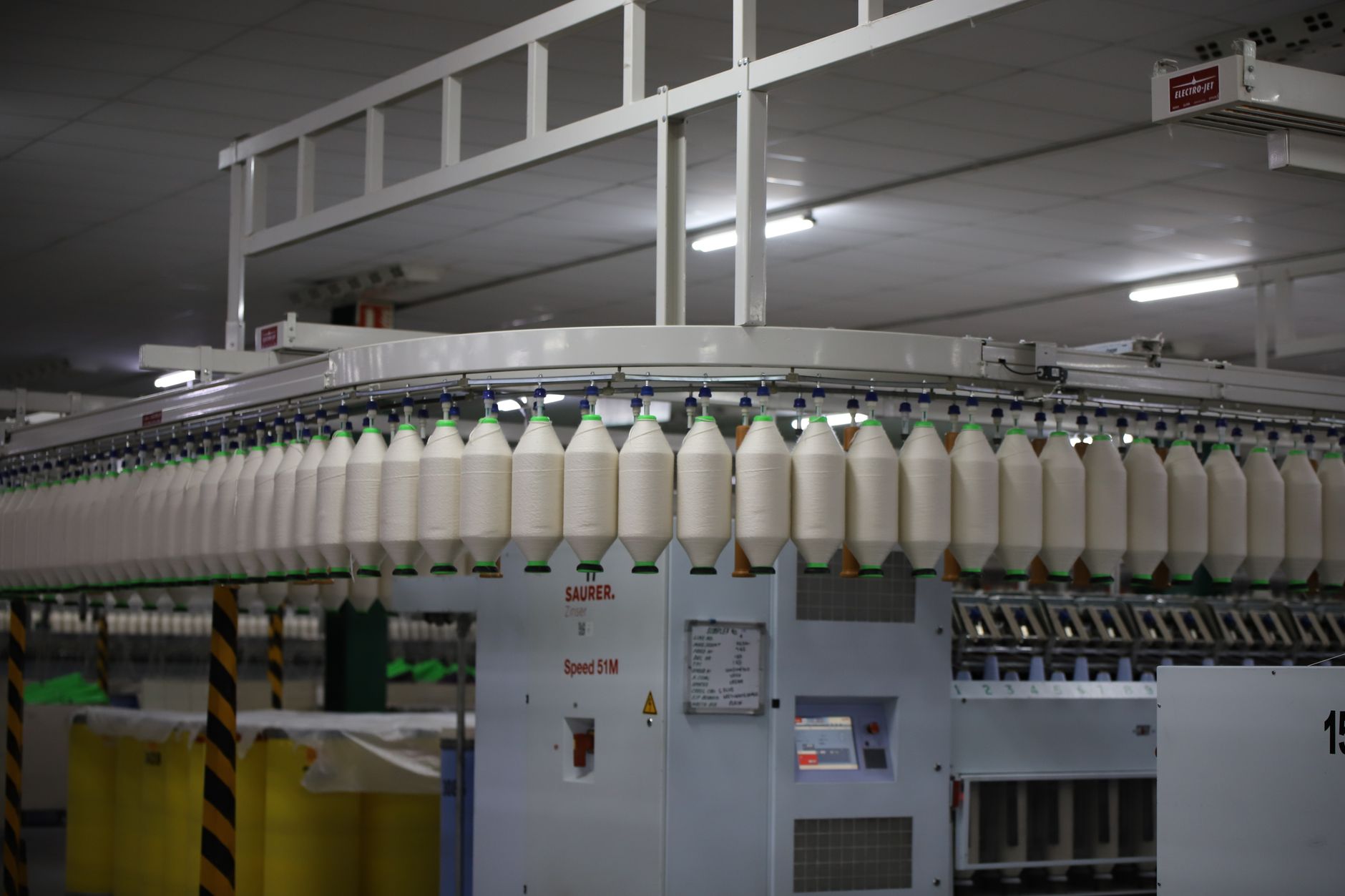
Agro-industrialisation forms a central part of the approach. It seeks to add value to agricultural produce through processing, which could increase export revenues and create jobs beyond raw commodity sales. Uganda produces coffee, tea, cotton, and a range of food crops, yet much of the output leaves the country with limited processing.
Tourism development represents another growth driver. The sector has recovered from the effects of the global pandemic, drawing visitors to national parks, mountain gorilla habitats, and lakeside destinations. Officials hope sustained investment will broaden the industry's contribution to gross domestic product.
Uganda has identified agro-industrialisation, tourism development, mineral development including oil and gas, and technology and innovation as the main pillars for its economic expansion in the 2024/2025 financial year.
Mineral development, including the nascent oil and gas sector, is also expected to play a larger role. Uganda has discovered commercially viable petroleum reserves in the Albertine Graben region along its western border with the Democratic Republic of Congo. Construction of pipelines and related infrastructure was under way at the time of the budget announcement.
Technology and innovation complete the four-pillar strategy. The government views digital transformation and local innovation as essential to modernising the economy and improving efficiency across sectors.
The minister indicated that these four areas would collectively support Uganda's longer-term goal of reaching a US$500 billion economy. Such expansion would mark a significant increase from the country's gross domestic product at the time of the announcement, which stood well below that threshold.
Uganda's economy has historically relied on agriculture, remittances, and foreign aid. Shifting emphasis toward industrialisation and value addition reflects a policy effort to reduce vulnerability to commodity price swings and external shocks. The 2024/2025 budget framework, presented in mid-June 2024, set the tone for resource allocation across government ministries in the subsequent 12 months.
Based on reporting by The Independent UG.
حددت أوغندا التصنيع الزراعي وتطوير السياحة وتطوير المعادن بما في ذلك النفط والغاز والتكنولوجيا والابتكار كالركائز الرئيسية لتوسعها الاقتصادي في السنة المالية 2024/2025.
تهدف الاستراتيجية إلى دفع النمو في البلد غير الساحلي الذي يزيد عدد سكانه عن 45 مليون نسمة، حيث لا يزال الزراعة يشغل غالبية القوى العاملة. أوضح وزير المالية ماتيا كاسايجا الأولويات أثناء تقديم إطار الميزانية للفترة المالية التي بدأت في الأول من يوليو 2024.
يشكل التصنيع الزراعي جزءاً مركزياً من النهج. يسعى إلى إضافة قيمة للمنتجات الزراعية من خلال المعالجة، مما قد يزيد من إيرادات الصادرات ويخلق فرص عمل تتجاوز بيع السلع الخام. تنتج أوغندا القهوة والشاي والقطن ومجموعة من المحاصيل الغذائية، إلا أن جزءاً كبيراً من الإنتاج يغادر البلاد بمعالجة محدودة.
يمثل تطوير السياحة محرك نمو آخر. تعافى القطاع من آثار الجائحة العالمية، وجذب الزوار إلى المتنزهات الوطنية وموائل الغوريلا الجبلية والوجهات على ضفاف البحيرات. يأمل المسؤولون أن يؤدي الاستثمار المستمر إلى توسيع مساهمة الصناعة في الناتج المحلي الإجمالي.
من المتوقع أيضاً أن يلعب تطوير المعادن، بما في ذلك قطاع النفط والغاز الناشئ، دوراً أكبر. اكتشفت أوغندا احتياطيات نفطية تجارية قابلة للاستغلال في منطقة ألبرتاين غرابن على حدودها الغربية مع جمهورية الكونغو الديمقراطية. كان بناء خطوط الأنابيب والبنية التحتية ذات الصلة جارياً وقت الإعلان عن الميزانية.
تكمل التكنولوجيا والابتكار استراتيجية الأعمدة الأربعة. ترى الحكومة أن التحول الرقمي والابتكار المحلي أمران أساسيان لتحديث الاقتصاد وتحسين الكفاءة عبر القطاعات.
أشار الوزير إلى أن هذه المجالات الأربعة ستدعم مجتمعة هدف أوغندا طويل الأجل المتمثل في الوصول إلى اقتصاد بقيمة 500 مليار دولار أمريكي. سيمثل هذا التوسع زيادة كبيرة عن الناتج المحلي الإجمالي للبلاد وقت الإعلان، والذي كان أقل بكثير من ذلك الحد.
اعتمدت اقتصاد أوغندا تاريخياً على الزراعة والتحويلات المالية والمساعدات الخارجية. يعكس تحويل التركيز نحو التصنيع وإضافة القيمة جهداً سياسياً لتقليل التعرض لتقلبات أسعار السلع والصدمات الخارجية. حدد إطار ميزانية 2024/2025، الذي قدم في منتصف يونيو 2024، النبرة لتخصيص الموارد عبر الوزارات الحكومية في الأشهر الـ12 التالية.