Uganda Faces Risk of Repeating Past Economic Errors
Civil society groups have warned that unchecked government spending ahead of elections could drive inflation to levels last seen in 2011, further widening the gap between official growth figures and the daily struggles of ordinary citizens.
Uganda’s economy presents two contrasting pictures: strong official growth statistics alongside widespread hardship for many of its citizens. Civil society organisations have cautioned that the pattern risks repeating events of 2011, when election-related expenditure pushed annual inflation above 30 percent.
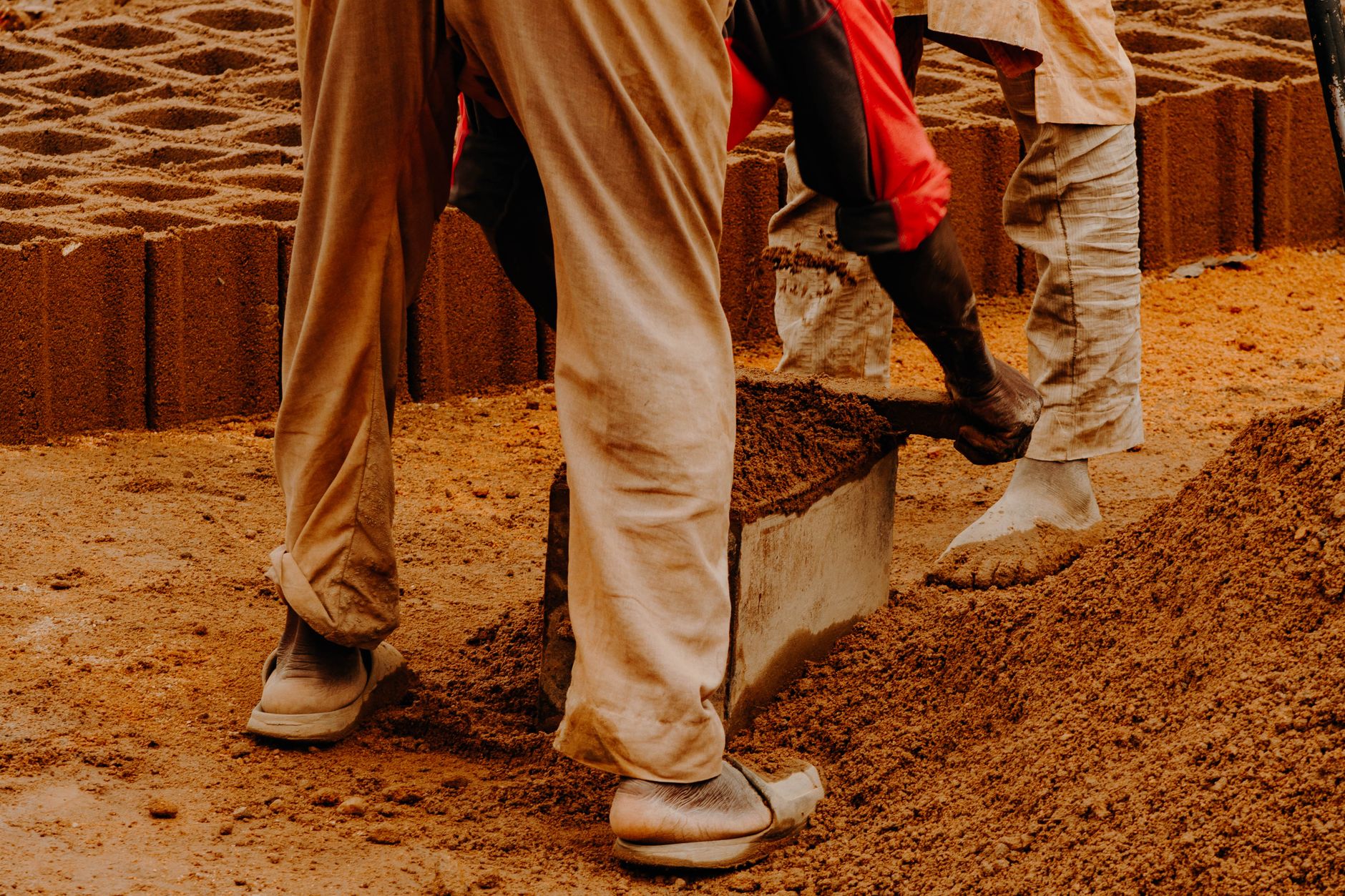
The warning comes as the country continues to record headline economic expansion that appears largely disconnected from the lived experience of a significant portion of the population. Many Ugandans, like small-scale brickmakers and truck drivers in districts such as Wakiso, report that official figures fail to reflect their economic reality.
In 2011, pre-election spending contributed to a surge in prices that eroded household purchasing power and sparked public discontent. Analysts and civil society voices now point to similar risks if fiscal discipline is not maintained in the lead-up to future polls.
The divergence between macroeconomic indicators and ground-level conditions has become a recurring theme in Uganda’s development narrative. While gross domestic product growth is frequently cited by authorities, ordinary households often cite limited access to opportunities in sectors driving the official expansion.
Uganda’s economy presents two contrasting pictures: strong official growth statistics alongside widespread hardship for many of its citizens.
Wakiso District, located near the capital Kampala, exemplifies the challenges. Residents engaged in informal and semi-formal labour such as brickmaking and transport services describe persistent difficulties in translating national growth into improved living standards.
Observers note that without deliberate policies to channel economic gains more broadly, the gap between the two economies could widen, potentially fuelling social and political tensions. Civil society groups have called for greater transparency in public spending and measures to ensure that growth benefits reach beyond urban and elite circles.
The concerns raised reflect deeper structural questions about how Uganda manages its public finances and distributes the benefits of expansion. As the country navigates its development path, the tension between impressive aggregate numbers and the struggles of citizens like those in Wakiso remains a central policy challenge.
Based on reporting by The Independent UG.
تقدم اقتصاد أوغندا صورتين متباينتين: إحصاءات نمو رسمية قوية إلى جانب مشقات واسعة النطاق لكثير من مواطنيها. حذرت منظمات المجتمع المدني من أن النمط يحمل مخاطر تكرار أحداث عام 2011، عندما دفع الإنفاق المرتبط بالانتخابات التضخم السنوي إلى أكثر من 30 في المائة.
يأتي التحذير في وقت تواصل فيه البلاد تسجيل نمو اقتصادي ظاهري يبدو منفصلاً إلى حد كبير عن التجربة المعيشية لجزء كبير من السكان. يبلغ كثير من الأوغنديين، مثل صانعي الطوب على نطاق صغير وسائقي الشاحنات في مناطق مثل واكيسو، أن الأرقام الرسمية لا تعكس واقعهم الاقتصادي.
في عام 2011، ساهم الإنفاق قبل الانتخابات في ارتفاع حاد في الأسعار أدى إلى تآكل القدرة الشرائية للأسر وأثار استياءً عاماً. يشير المحللون وأصوات المجتمع المدني الآن إلى مخاطر مماثلة إذا لم يتم الحفاظ على الانضباط المالي في الفترة التي تسبق الاقتراعات المستقبلية.
أصبح التباين بين المؤشرات الاقتصادية الكلية والظروف على الأرض موضوعاً متكرراً في السرد التنموي لأوغندا. في حين يتم الاستشهاد بنمو الناتج المحلي الإجمالي بشكل متكرر من قبل السلطات، غالباً ما يشير الأسر العادية إلى محدودية الوصول إلى الفرص في القطاعات التي تدفع التوسع الرسمي.
تشكل منطقة واكيسو، الواقعة قرب العاصمة كامبالا، مثالاً على التحديات. يصف السكان العاملون في العمالة غير الرسمية وشبه الرسمية مثل صناعة الطوب وخدمات النقل صعوبات مستمرة في تحويل النمو الوطني إلى مستويات معيشية محسنة.
يلاحظ المراقبون أنه بدون سياسات متعمدة لتوجيه المكاسب الاقتصادية على نطاق أوسع، قد يتسع الفجوة بين الاقتصادين، مما قد يؤجج التوترات الاجتماعية والسياسية. دعت مجموعات المجتمع المدني إلى قدر أكبر من الشفافية في الإنفاق العام وإجراءات لضمان وصول فوائد النمو إلى ما وراء الدوائر الحضرية والنخبوية.
تعكس المخاوف التي أثيرت أسئلة هيكلية أعمق حول كيفية إدارة أوغندا لماليتها العامة وتوزيع فوائد التوسع. ومع مرور البلاد بمسارها التنموي، يظل التوتر بين الأرقام الكلية المثيرة للإعجاب ومشقات المواطنين مثل أولئك في واكيسو تحدياً سياسياً مركزياً.