Uganda urged to link tourism and oil sectors for jobs
A report from the Petroleum Authority of Uganda calls for greater investment in tourism services to capitalise on the emerging oil industry and boost employment across both sectors.
Kampala, Uganda – A report by the Petroleum Authority of Uganda has recommended stronger integration between the tourism and oil and gas sectors to maximise job creation in the east African nation.
The authority highlighted that tourism services in Uganda remain generally poor. It identified a particular need for investment in areas such as tour guiding, site interpretation, and food and beverage services.
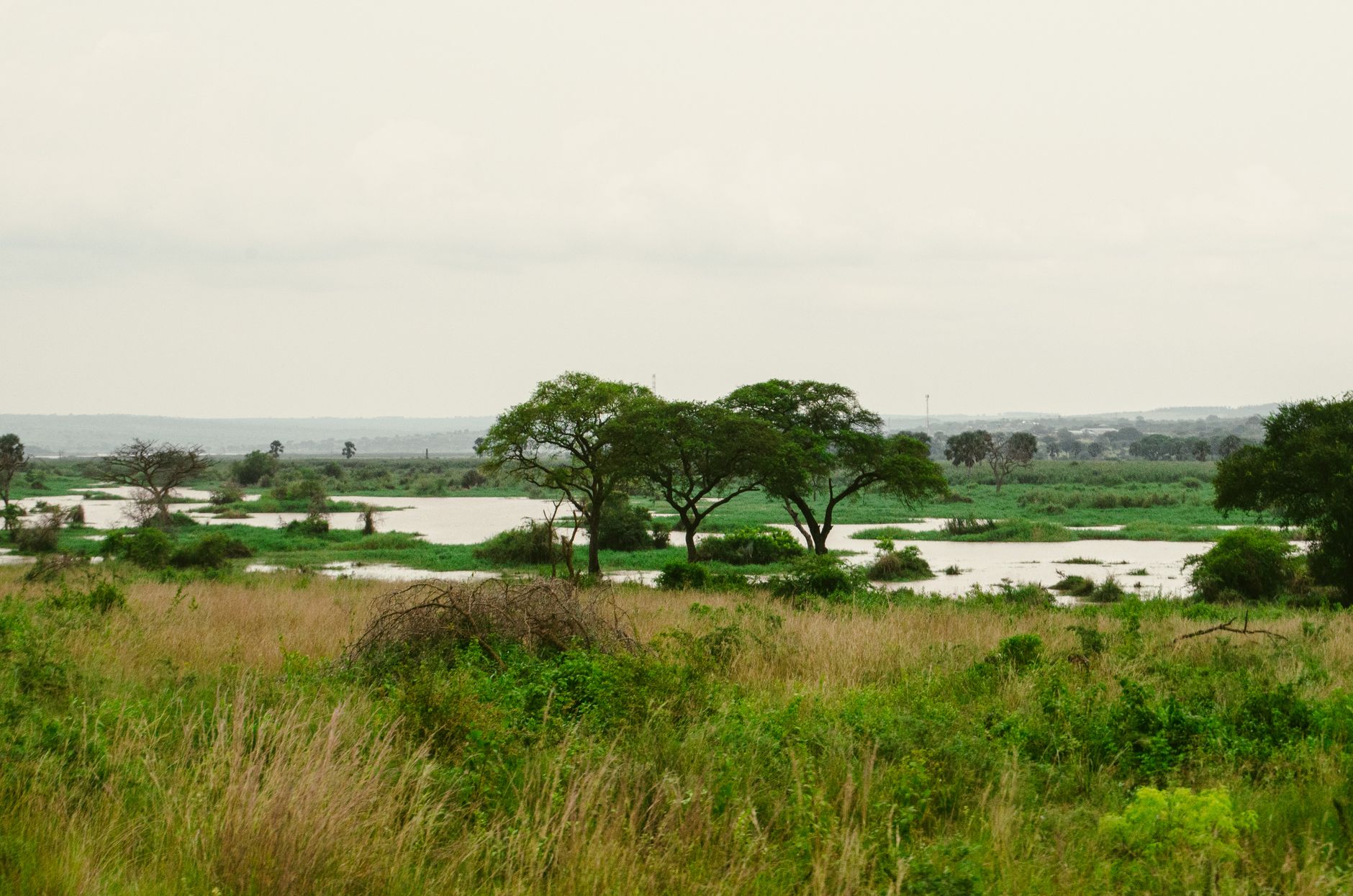
Uganda is preparing to develop its oil resources in the Albertine Graben region of western Uganda. The country expects first oil production within the next few years, an event that could transform parts of its economy.
The report argues that the anticipated oil boom offers an opportunity to strengthen tourism infrastructure and services. Improved facilities could help the country attract more international visitors interested in both its natural landscapes and its growing energy sector.
Kampala, Uganda – A report by the Petroleum Authority of Uganda has recommended stronger integration between the tourism and oil and gas sectors to maximise job creation in the east African nation.
According to the Petroleum Authority of Uganda, reforms in both sectors are required to realise the full potential for employment. The authority believes that coordinated development would create jobs not only in oil extraction but also in supporting tourism activities around oil-producing areas.
Uganda’s tourism industry already draws visitors to national parks, lakes and cultural sites. However, the quality of services often falls short of international standards, limiting growth and repeat visits.
The report’s recommendations come as Uganda continues to develop its oil and gas industry. Several international companies hold licences to explore and produce hydrocarbons, with infrastructure projects including pipelines and a refinery under discussion.
By addressing gaps in tourism services now, the country could position itself to benefit more fully from the economic activity generated by oil development, the authority suggested.
The document forms part of broader efforts to align Uganda’s economic sectors for sustainable growth as the nation moves closer to becoming an oil producer.
Based on reporting by The Independent UG.
كمبالا، أوغندا – أوصى تقرير صادر عن هيئة البترول في أوغندا بدمج أقوى بين قطاعي السياحة والنفط والغاز لتعظيم خلق فرص العمل في هذه الدولة الواقعة في شرق أفريقيا.
أبرزت الهيئة أن خدمات السياحة في أوغندا لا تزال ضعيفة بشكل عام. وقد حددت الحاجة الخاصة للاستثمار في مجالات مثل الإرشاد السياحي وتفسير المواقع وخدمات الطعام والمشروبات.
تستعد أوغندا لتطوير مواردها النفطية في منطقة ألبرتين غرابن غرب أوغندا. ويتوقع البلد بدء إنتاج النفط خلال السنوات القليلة المقبلة، وهو حدث قد يحول أجزاء من اقتصاده.
يجادل التقرير بأن ازدهار النفط المتوقع يوفر فرصة لتعزيز البنية التحتية والخدمات السياحية. ويمكن للمرافق المحسنة أن تساعد البلاد على جذب المزيد من الزوار الدوليين المهتمين بمناظرها الطبيعية وقطاع الطاقة المتنامي.
وفقاً لهيئة البترول في أوغندا، يلزم إجراء إصلاحات في كلا القطاعين لتحقيق الإمكانيات الكاملة للتوظيف. وتعتقد الهيئة أن التطوير المنسق سيخلق فرص عمل ليس فقط في استخراج النفط ولكن أيضاً في الأنشطة السياحية الداعمة حول مناطق إنتاج النفط.
تجذب صناعة السياحة في أوغندا بالفعل الزوار إلى المتنزهات الوطنية والبحيرات والمواقع الثقافية. ومع ذلك، فإن جودة الخدمات غالباً ما تقل عن المعايير الدولية، مما يحد من النمو والزيارات المتكررة.
جاءت توصيات التقرير في الوقت الذي تواصل فيه أوغندا تطوير صناعة النفط والغاز. وتحمل عدة شركات دولية تراخيص لاستكشاف وإنتاج المواد الهيدروكربونية، مع مشاريع البنية التحتية بما في ذلك خطوط الأنابيب والمصفاة قيد المناقشة.
من خلال معالجة الفجوات في خدمات السياحة الآن، يمكن للبلاد أن تضع نفسها في موقع يسمح لها بالاستفادة بشكل أكبر من النشاط الاقتصادي الناتج عن تطوير النفط، كما اقترحت الهيئة.
يشكل الوثيقة جزءاً من الجهود الأوسع لمواءمة القطاعات الاقتصادية في أوغندا من أجل نمو مستدام مع اقتراب الدولة من أن تصبح منتجاً للنفط.