Malawi's National Bank faces scrutiny over a decade of public-money cases
Three of the country's most consequential financial scandals share a common institutional thread.
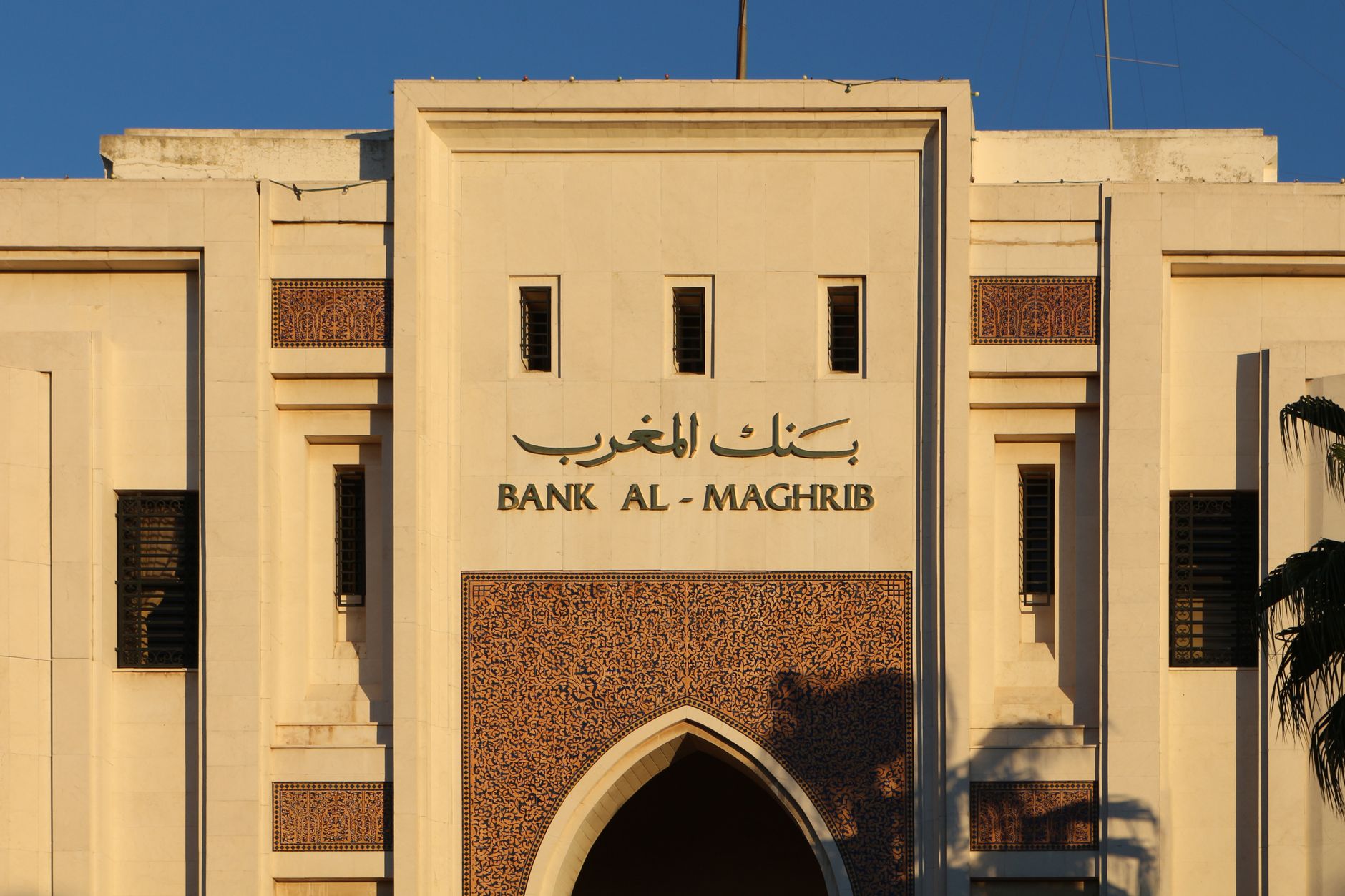
Three of Malawi's most consequential public-money scandals, spanning more than a decade, share a common thread running through the ledgers of a single institution, according to reporting on the country's financial history.
The recurrence is the point. Individual cases of misappropriation can be attributed to the people who carried them out. A pattern involving the same institution across separate episodes and different administrations raises a distinct question about controls rather than about individuals.
Banks occupy a specific position in public-finance cases because they are where funds become traceable. Every transfer generates a record, and anti-money-laundering obligations require institutions to flag transactions inconsistent with a customer's expected profile. Where large public sums move without a report being generated, the failure is either in the monitoring system or in the willingness to act on what it produces.
Three of Malawi's most consequential public-money scandals, spanning more than a decade, share a common thread running through the ledgers of a single institution, according to reporting on the country's financial history.
The governance dimension is equally relevant. Where an institution holds a dominant position in a small financial system, it is simultaneously the main handler of government accounts and a systemically important entity whose stability regulators must protect. Those two roles pull in opposite directions when enforcement is being considered.
Accountability in such cases turns on whether investigation reaches institutional practice or halts at the individuals who executed the transactions.
Based on reporting by AllAfrica.